Views: 220 Author: plastic-material Publish Time: 2026-02-04 Origin: Site


Content Menu
>> Key Components of Injection Molding
● The Injection Molding Process
>> 1. Clamping
>> 2. Injection
>> 3. Cooling
>> 4. Ejection
● Advantages of Injection Molding
● Applications of Injection Molding
>> 5. Packaging
● Challenges in Injection Molding
Injection molding is a widely used manufacturing process for producing parts in large volumes. It is particularly favored for its efficiency and ability to create complex shapes with high precision. This article will explore the intricacies of injection molding, detailing its process, advantages, and applications.

Injection molding is a manufacturing technique that involves injecting molten material into a mold to create a specific shape. The materials used are typically thermoplastics or thermosetting polymers, which can be melted and solidified multiple times. This process is essential in various industries, including automotive, consumer goods, and medical devices.
1. Injection Molding Machine: The machine consists of two main parts: the injection unit and the clamping unit. The injection unit melts the plastic and injects it into the mold, while the clamping unit holds the mold closed during the injection process.
2. Mold: The mold is a hollow metal block that defines the shape of the final product. It is usually made from steel or aluminum and can be quite complex, containing multiple cavities for producing several parts simultaneously.
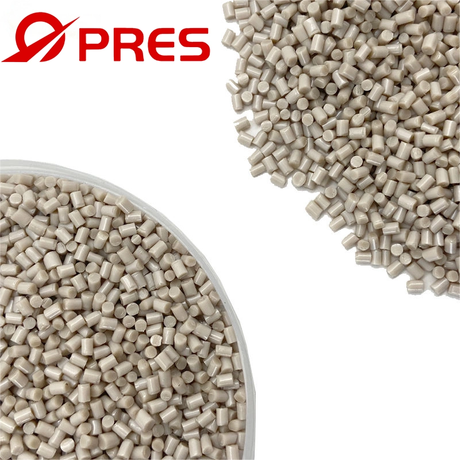
3. Raw Material: The raw materials used in injection molding are typically in the form of small pellets. These pellets are made from various types of plastics, each chosen based on the desired properties of the final product.
The injection molding process can be broken down into several key steps:
The process begins with the clamping unit closing the two halves of the mold. This step is crucial as it ensures that the mold remains tightly shut during the injection of the molten plastic. The clamping force must be sufficient to withstand the pressure of the injected material.
Once the mold is securely clamped, the injection phase begins. The raw plastic pellets are fed into a hopper, where they are heated and melted in the barrel of the machine. A screw or plunger then injects the molten plastic into the mold cavity under high pressure. This pressure ensures that the material fills every part of the mold, creating a detailed and accurate representation of the desired part.
After the mold is filled, the molten plastic needs time to cool and solidify. The cooling phase is critical as it determines the final properties of the part. Cooling time can vary based on the type of plastic used, the thickness of the part, and the design of the mold. Efficient cooling systems are often integrated into the mold to expedite this process.
Once the plastic has cooled and solidified, the mold opens, and the finished part is ejected. This is typically done using ejector pins that push the part out of the mold. The mold then closes again, and the process repeats for the next cycle.
Injection molding offers several advantages that make it a preferred choice for mass production:
The injection molding process is highly efficient, allowing for the rapid production of large quantities of parts. Once the mold is created, the cycle time for each part can be very short, often just a few seconds.
While the initial cost of creating a mold can be high, the cost per part decreases significantly with larger production runs. This makes injection molding a cost-effective solution for producing high volumes of identical parts.
Injection molding allows for a high degree of design flexibility. Complex shapes and intricate details can be easily achieved, making it suitable for a wide range of applications.
A wide variety of materials can be used in injection molding, including different types of plastics and composites. This allows manufacturers to choose materials that best suit their product requirements.
Injection molding produces parts with high precision and consistency. Once the process parameters are set, the quality of the parts remains uniform throughout the production run.
Injection molding is used in various industries due to its versatility. Some common applications include:
Injection molding is extensively used in the automotive industry for producing components such as dashboards, bumpers, and interior trim parts. The ability to create lightweight and durable parts is crucial in this sector.
Many everyday items, such as containers, toys, and household appliances, are manufactured using injection molding. The process allows for the mass production of these items at a low cost.
The medical industry relies on injection molding for producing components like syringes, surgical instruments, and housings for medical devices. The precision and cleanliness of the process are essential for ensuring product safety.
Injection molding is also used to create enclosures and components for electronic devices. The ability to produce complex shapes helps in designing compact and efficient electronic products.
Injection molding is commonly used in the packaging industry for creating bottles, caps, and containers. The process allows for the production of lightweight and durable packaging solutions.
Despite its many advantages, injection molding does come with challenges:
The cost of designing and manufacturing molds can be significant, making it less suitable for low-volume production runs.
While injection molding allows for complex shapes, there are still design limitations. Features such as undercuts can complicate the mold design and may require additional mechanisms.
Not all materials are suitable for injection molding. The choice of material can affect the properties of the final product, and some materials may require specific processing conditions.
Injection molding is a powerful manufacturing process that enables the efficient production of high-quality plastic parts. Its ability to create complex shapes, combined with cost-effectiveness for large production runs, makes it a preferred choice across various industries. Understanding the intricacies of this process can help manufacturers optimize their production and meet the demands of their markets.

1. What materials can be used in injection molding?
- Common materials include thermoplastics like ABS, polycarbonate, and nylon, as well as thermosetting plastics.
2. How long does the injection molding process take?
- The cycle time can vary but typically ranges from a few seconds to a couple of minutes, depending on the part size and complexity.
3. What is the role of the clamping unit in injection molding?
- The clamping unit holds the mold halves together during the injection process to prevent leaks and ensure proper filling.
4. Can injection molding be used for low-volume production?
- While injection molding is most cost-effective for high-volume production, some companies offer low-volume injection molding services.
5. What are the environmental impacts of injection molding?
- The process can generate waste, but advancements in recycling and the use of biodegradable materials are helping to mitigate these impacts.
Hot Tags: China, Global, OEM, private label, manufacturers, factory, suppliers, manufacturing company