
Views: 220 Author: plastic-material Publish Time: 2025-12-13 Origin: Site
Content Menu
● Understanding the Basics of 3D Printing Filament
>> What is 3D Printing Filament?
>> Why Recycle Plastic Bottles?
>> Step 1: Prepare the Plastic Bottles
>> Step 3: Dry the Shredded Plastic
>> Step 4: Set Up the Filament Maker
>> Step 5: Extrude the Filament
● Tips for Successful Filament Production
● Applications of Recycled Filament
>> 1. Can I use any type of plastic bottle for filament?
>> 2. How much filament can I produce from one bottle?
>> 3. Is it safe to use recycled filament for food-related items?
>> 4. What are the common issues when making filament?
>> 5. Can I mix different types of plastics?
In recent years, the rise of 3D printing has opened up new avenues for creativity and innovation. However, the environmental impact of plastic waste has become a pressing concern. One innovative solution is to recycle plastic bottles into 3D printer filament. This article will guide you through the process of transforming discarded plastic bottles into usable filament for your 3D printer, detailing the necessary materials, equipment, and steps involved.
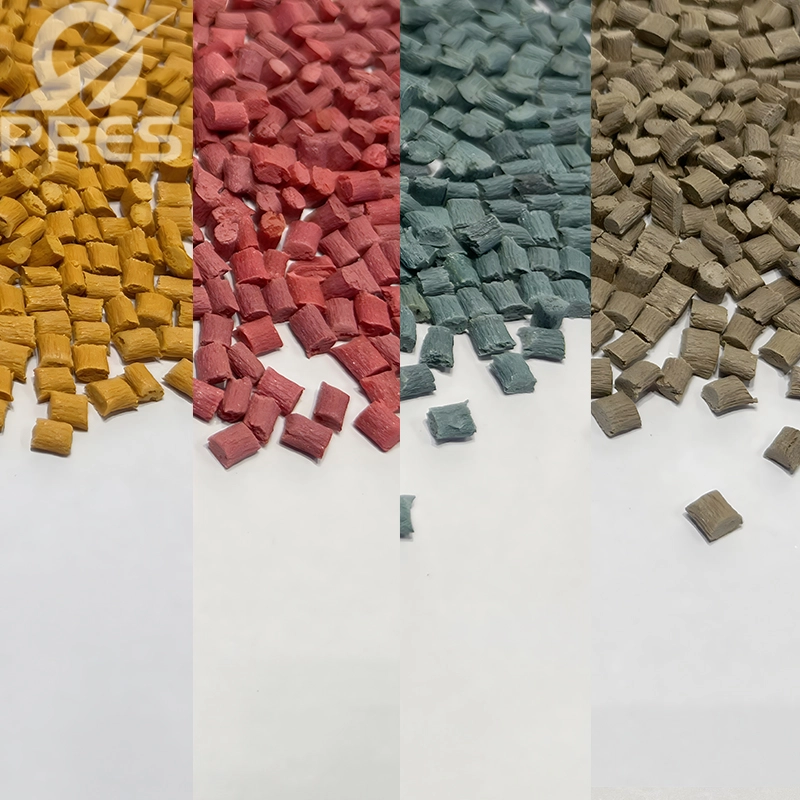
3D printing filament is the material used in 3D printers to create objects. It is typically made from thermoplastics, which can be melted and reshaped multiple times. The most common types of filament include PLA (Polylactic Acid), ABS (Acrylonitrile Butadiene Styrene), and PET (Polyethylene Terephthalate). PET is particularly relevant for this project, as it is the primary material used in plastic bottles.
Recycling plastic bottles into filament serves multiple purposes:
- Environmental Impact: Reduces plastic waste in landfills and oceans.
- Cost-Effective: Producing your own filament can be cheaper than purchasing commercial options.
- Customization: You can create filament in various colors and properties by mixing different plastics.
To create 3D printer filament from plastic bottles, you will need the following materials:
- Plastic Bottles: Preferably PET bottles, as they are the most suitable for filament production.
- Filament Maker: A machine designed to convert plastic strips into filament. This can be a commercial product or a DIY setup.
- Cutting Tools: Scissors or a bottle cutter to prepare the plastic bottles.
- Hot-End Extruder: A component that melts the plastic and shapes it into filament.
- Spool: To collect the finished filament.
A filament maker is essential for this process. It typically consists of:
- Cutter: To slice the plastic bottles into thin strips.
- Hot-End: Where the plastic is melted and extruded.
- Reel: To wind the filament as it is produced.
- Controller: To manage the temperature and speed of the extrusion process.
You can purchase a filament maker or build your own using a combination of 3D printed parts and off-the-shelf components.
If you prefer a DIY approach, you can create a simple filament maker using:
- An old 3D printer hot-end.
- A motorized spool holder.
- A frame to hold everything together.
1. Clean the Bottles: Remove any labels and wash the bottles thoroughly to eliminate contaminants.
2. Cut the Bottles: Use scissors or a bottle cutter to slice the bottles into long, continuous strips. Aim for a width of about 1-2 cm.
If your filament maker requires smaller pieces, you may need to shred the strips further. This can be done using a standard paper shredder or a dedicated plastic shredder.
Moisture can affect the quality of the filament. Spread the shredded plastic on a baking sheet and dry it in an oven at a low temperature (around 60°C) for a few hours.
1. Assemble the Machine: If you are using a DIY filament maker, ensure all components are securely attached and functioning.
2. Preheat the Hot-End: Set the hot-end temperature to around 220°C, which is suitable for melting PET.
1. Feed the Plastic: Place the shredded plastic into the filament maker's hopper.
2. Start the Extrusion: Turn on the machine and monitor the extrusion process. The melted plastic will be shaped into filament as it passes through the hot-end.
3. Collect the Filament: As the filament is extruded, it will be wound onto the spool. Ensure that the spool rotates smoothly to avoid tangling.
Once you have produced a sufficient amount of filament, check its diameter. The ideal diameter for most 3D printers is 1.75 mm. If the filament is too thick or thin, you may need to adjust the extrusion speed or temperature.
- Experiment with Colors: You can mix different colored plastics to create unique filament.
- Test Different Temperatures: The melting point of PET can vary slightly based on the specific type, so you may need to adjust the temperature for optimal results.
- Keep a Clean Workspace: Ensure that your workspace is free from contaminants to maintain the quality of your filament.
Recycled filament can be used for various 3D printing projects, including:
- Prototyping
- Custom parts for repairs
- Artistic creations
- Educational projects
Making 3D printer filament from plastic bottles is not only a sustainable practice but also a rewarding DIY project. By following the steps outlined in this guide, you can contribute to reducing plastic waste while enjoying the benefits of 3D printing. With a little creativity and effort, you can transform discarded materials into valuable resources for your projects.
While you can technically use various types of plastic, PET bottles are the best choice due to their melting properties and availability.
A standard 2-liter PET bottle can yield approximately 20 meters of filament, depending on the thickness and quality of the extrusion.
It is generally not recommended to use recycled filament for food-related items due to potential contaminants. Always use food-safe materials for such applications.
Common issues include inconsistent diameter, clogging in the hot-end, and poor adhesion during printing. Adjusting the temperature and extrusion speed can help mitigate these problems.
Mixing different types of plastics can be done, but it may affect the quality of the filament. It's best to stick with similar types for consistent results.
Hot Tags: China, Global, OEM, private label, manufacturers, factory, suppliers, manufacturing company


