Views: 220 Author: plastic-material Publish Time: 2025-12-09 Origin: Site


Content Menu
● Factors Influencing PEEK Color
● Applications of PEEK Based on Color
>> Aerospace and Automotive Industries
Polyether ether ketone (PEEK) is a high-performance thermoplastic known for its exceptional mechanical and chemical resistance properties. It is widely used in various engineering applications, including aerospace, automotive, and medical fields. One of the intriguing aspects of PEEK is its color, which can vary based on its formulation and processing. In this article, we will explore the different colors of PEEK plastic, the factors influencing its color, and its applications.

PEEK is a semi-crystalline thermoplastic polymer that belongs to the polyaryletherketone family. It was first developed in the late 1970s and has since become a preferred material in industries requiring high-performance plastics. PEEK is known for its excellent thermal stability, chemical resistance, and mechanical strength, making it suitable for demanding applications.
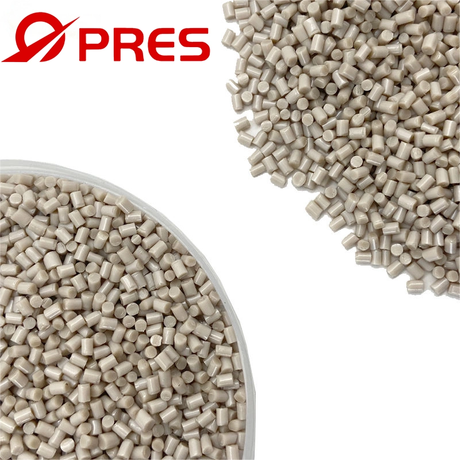
The natural color of unfilled PEEK is typically a light brown or tan. This beige hue is a result of the polymer's inherent properties and the absence of any color additives. The natural color can vary slightly depending on the specific grade and manufacturer, but it generally falls within this range.
PEEK can be modified to achieve various colors through the addition of colorants or fillers. The most common colors available in PEEK products include:
- Black: Often achieved by adding carbon black or other black pigments, this color is prevalent in many industrial applications due to its aesthetic appeal and ability to hide dirt and wear.
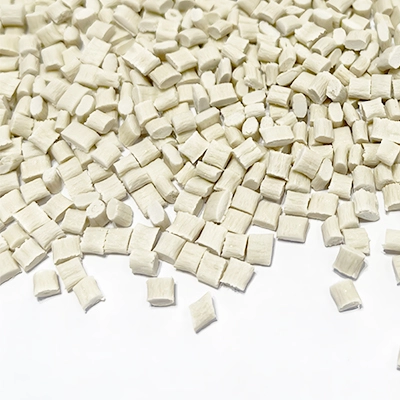
- White: This color is typically used in medical applications where aesthetics and visibility are important. White PEEK is often used in dental and orthopedic implants.
- Natural/Tan: As mentioned, this is the default color of unfilled PEEK, often used in applications where the natural appearance is desired.
- Colored Variants: PEEK can also be produced in various colors, including blue, green, and red, depending on the specific requirements of the application.
The crystallinity of PEEK significantly affects its color. When PEEK is in an amorphous state, it appears transparent or amber. As it crystallizes, the color changes to a more opaque beige. The degree of crystallinity can be influenced by the processing conditions, such as temperature and cooling rates.
The addition of fillers and additives can alter the color of PEEK. For instance, carbon-filled PEEK is typically black due to the carbon fibers, while glass-filled PEEK may retain a natural or tan color. These modifications not only change the color but also enhance the material's mechanical properties.
Different processing techniques can also impact the final color of PEEK products. For example, injection molding and extrusion can lead to variations in color due to differences in temperature and pressure during processing. Additionally, the thickness of the part can affect how light interacts with the material, influencing its perceived color.
In the medical field, the color of PEEK is crucial for both functional and aesthetic reasons. White and natural PEEK are commonly used in dental implants and orthopedic devices, where a natural appearance is desired. The biocompatibility of PEEK makes it an excellent choice for these applications.
In aerospace and automotive applications, black PEEK is often preferred due to its ability to mask wear and dirt. The high strength-to-weight ratio of PEEK makes it ideal for components that require durability without adding excessive weight.
PEEK's excellent electrical insulating properties make it suitable for various electronic applications. Colored PEEK can be used in connectors and insulators, where visibility and identification are important.
PEEK plastic is a versatile material with a range of colors influenced by its formulation, processing, and intended application. From its natural beige to vibrant colors achieved through additives, PEEK's color plays a significant role in its functionality and aesthetic appeal. Understanding the color properties of PEEK is essential for selecting the right material for specific applications.

1. What is the natural color of PEEK?
- The natural color of PEEK is typically a light brown or tan.
2. Can PEEK be produced in colors other than beige?
- Yes, PEEK can be produced in various colors, including black, white, and other custom colors depending on the additives used.
3. How does crystallinity affect the color of PEEK?
- Amorphous PEEK appears transparent or amber, while crystalline PEEK is more opaque and typically beige.
4. What applications commonly use black PEEK?
- Black PEEK is often used in aerospace, automotive, and industrial applications where aesthetics and wear resistance are important.
5. Is PEEK biocompatible?
- Yes, PEEK is biocompatible and is commonly used in medical applications, including implants and surgical instruments.
Hot Tags: China, Global, OEM, private label, manufacturers, factory, suppliers, manufacturing company