
Views: 220 Author: Site Editor Publish Time: 2025-12-13 Origin: Site
Content Menu
>> What is ABS?
● Manufacturing Processes of ABS
>> Versatility
● Disadvantages of ABS Plastic
Acrylonitrile Butadiene Styrene, commonly known as ABS, is a widely used thermoplastic polymer that has become a staple in various industries due to its unique properties and versatility. This article will explore the characteristics, manufacturing processes, applications, advantages, and disadvantages of ABS plastic, providing a comprehensive understanding of this essential material.
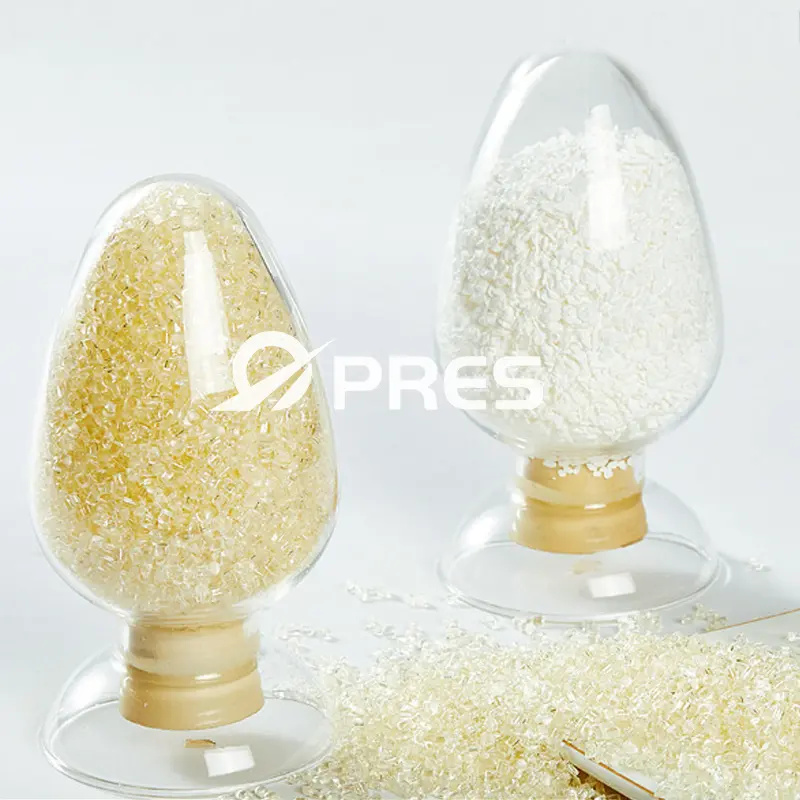
ABS is a thermoplastic polymer made from three monomers: acrylonitrile, butadiene, and styrene. The combination of these components results in a material that exhibits a balance of strength, toughness, and flexibility. The acrylonitrile contributes to chemical resistance and thermal stability, while butadiene adds elasticity and toughness. Styrene provides rigidity and a glossy finish, making ABS suitable for a wide range of applications.
ABS plastic is known for several key properties that make it a preferred choice in manufacturing:
- Impact Resistance: ABS is highly resistant to impact, making it ideal for products that require durability.
- Chemical Resistance: It can withstand exposure to various chemicals, including acids and alkalis, which is crucial for many industrial applications.
- Thermal Stability: ABS maintains its properties over a wide temperature range, with a glass transition temperature of approximately 105 °C (221 °F).
- Ease of Fabrication: The material can be easily molded and shaped through processes such as injection molding, extrusion, and 3D printing.
The production of ABS involves a process called polymerization, where the three monomers are combined under specific conditions to form a stable polymer. This can be achieved through various methods, including:
- Emulsion Polymerization: This method allows for the creation of a stable mixture of the three monomers, resulting in a uniform ABS product.
- Continuous Mass Polymerization: This technique is often used for large-scale production, ensuring consistent quality and properties in the final product.
Once produced, ABS can be shaped into various forms using different molding techniques:
- Injection Molding: This is the most common method for producing ABS parts, where molten plastic is injected into a mold to create complex shapes.
- Extrusion: ABS can be extruded into sheets, rods, or other shapes, which can then be cut or further processed.
- 3D Printing: ABS is a popular material for 3D printing due to its ease of use and ability to produce strong, durable parts.
ABS plastic is utilized across a wide range of industries due to its versatility. Some common applications include:
In the automotive sector, ABS is used for manufacturing interior and exterior components, such as dashboards, bumpers, and trim. Its impact resistance and aesthetic qualities make it an ideal choice for these applications.
ABS is widely used in the production of electronic housings, casings, and components. Its ability to provide electrical insulation and resistance to heat makes it suitable for devices like computers, televisions, and mobile phones.
One of the most recognizable uses of ABS is in the toy industry, particularly in the production of LEGO bricks and other durable toys. The material's safety, durability, and ability to be molded into intricate shapes are key factors in its popularity.
ABS is also used in plumbing systems for pipes and fittings due to its resistance to corrosion and chemical exposure. In construction, it is utilized for various applications, including roofing and siding materials.
One of the primary advantages of ABS is its low production cost compared to other engineering plastics. This makes it an attractive option for manufacturers looking to produce high-quality products without incurring significant expenses.
ABS can be easily molded into complex shapes and is available in various colors and finishes. This versatility allows manufacturers to create customized products that meet specific design requirements.
ABS is a recyclable material, which means that it can be reprocessed and reused in the production of new products. This not only reduces waste but also contributes to sustainability efforts in manufacturing.
While ABS is recyclable, the production process can have environmental impacts, including the release of volatile organic compounds (VOCs). Manufacturers must implement proper measures to minimize these effects.
Although ABS has good thermal stability, it can become brittle at low temperatures. This limits its use in applications where exposure to extreme cold is expected.
ABS is susceptible to UV degradation, which can lead to discoloration and loss of mechanical properties when exposed to sunlight for extended periods. This makes it less suitable for outdoor applications unless treated with UV stabilizers.
ABS plastic is a versatile and widely used thermoplastic material that offers a unique combination of properties, making it suitable for various applications across multiple industries. Its impact resistance, chemical stability, and ease of fabrication contribute to its popularity in manufacturing. However, it is essential to consider its environmental impact and limitations when selecting materials for specific applications.
1. What is the difference between ABS and other plastics?
ABS is known for its impact resistance and ease of molding, making it different from other plastics like PVC, which is more rigid and less impact-resistant.
2. Is ABS plastic safe for food contact?
ABS is generally considered safe for food contact, but it is essential to check for specific certifications and regulations depending on the application.
3. Can ABS be recycled?
Yes, ABS is recyclable and can be reprocessed into new products, contributing to sustainability efforts in manufacturing.
4. What are the common uses of ABS in everyday products?
ABS is commonly used in toys, automotive parts, consumer electronics, and plumbing systems.
5. How does ABS perform in extreme temperatures?
ABS maintains its properties at moderate temperatures but can become brittle in extreme cold and may deform at high temperatures.
Hot Tags: China, Global, OEM, private label, manufacturers, factory, suppliers, manufacturing company


