Views: 220 Author: plastic-material Publish Time: 2026-01-22 Origin: Site


Content Menu
>> What is the Plastic Material?
● The Role of Plastic in Boat Seat Design
● Benefits of Using Plastic in Boat Seats
>> Lightweight
>> Environmental Considerations
● Innovations in Chaparral Boat Seats
● Maintenance of Plastic Boat Seats
When it comes to boating, comfort and durability are paramount, especially when it comes to seating. Chaparral Boats, a well-known manufacturer in the marine industry, has made significant strides in enhancing the quality of their boat seats. One of the key components of their seating design is the plastic material used on the bottoms of their boat seats. This article delves into the specifics of this material, its benefits, and its applications in Chaparral boats.

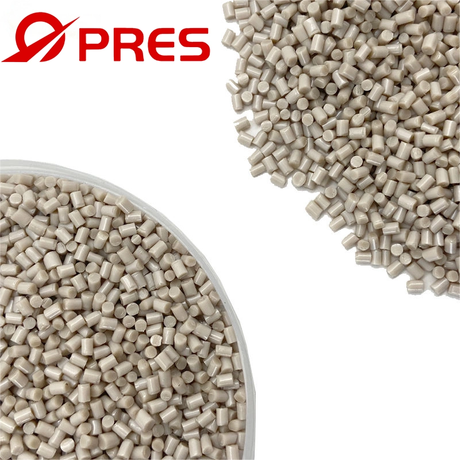
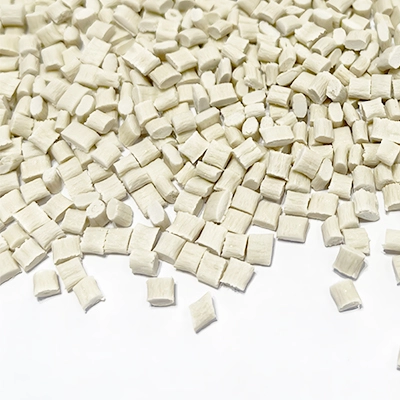
The plastic material used in Chaparral boat seat bottoms is primarily a high-density polyethylene (HDPE) or a similar marine-grade plastic. This type of plastic is known for its excellent durability, resistance to moisture, and ability to withstand harsh marine environments.
HDPE is favored in marine applications for several reasons:
- Water Resistance: HDPE is inherently waterproof, making it ideal for use in environments where exposure to water is constant.
- Durability: This material is resistant to impact and can withstand the rigors of boating activities, including rough waters and heavy use.
- UV Resistance: HDPE is treated to resist UV rays, preventing degradation from sun exposure, which is crucial for outdoor applications.
- Ease of Maintenance: The smooth surface of HDPE makes it easy to clean and maintain, ensuring that boat seats remain looking new for longer.
The plastic material serves as a structural base for the seat, providing the necessary support for the upholstery and cushioning layers above it. This ensures that the seat maintains its shape and comfort over time, even with frequent use.
While the plastic base is sturdy, it is often paired with foam padding and upholstery to enhance comfort. The combination of these materials allows for a seating experience that is both supportive and comfortable, catering to the needs of boaters who may spend long hours on the water.
One of the significant advantages of using plastic in boat seat construction is its lightweight nature. This is particularly important in boating, where weight can affect performance and fuel efficiency. Lighter seats contribute to overall boat performance, making it easier to maneuver and reducing fuel consumption.
Plastic materials are generally more cost-effective than traditional materials like wood or metal. This affordability allows manufacturers like Chaparral to offer high-quality products at competitive prices, making boating more accessible to a broader audience.
Many manufacturers, including Chaparral, are increasingly focusing on sustainability. The use of recyclable plastics in boat seat construction aligns with eco-friendly practices, reducing the environmental impact of boat manufacturing.
In recent years, Chaparral has introduced SiO Silicone technology in their upholstery, which is a significant advancement in marine seating. This material is free from chemical additives and offers enhanced durability, scuff resistance, and comfort. The integration of SiO Silicone with the plastic base of the seats creates a robust and comfortable seating solution that meets the demands of modern boating.
Chaparral also offers customization options for their boat seats, allowing owners to choose colors and styles that match their personal preferences. This customization is made possible by the versatility of the plastic material, which can be easily molded and shaped to fit various designs.
Maintaining the plastic material on Chaparral boat seat bottoms is relatively straightforward. Regular cleaning with mild soap and water is usually sufficient to keep the seats looking new. For tougher stains, a gentle scrub with a soft brush can help remove any buildup without damaging the plastic.
While HDPE is durable, it is still essential to protect the seats from sharp objects and heavy impacts. Using seat covers when the boat is not in use can help prevent scratches and other damage, prolonging the life of the seats.
The plastic material used on Chaparral boat seat bottoms plays a crucial role in the overall design and functionality of their boats. With its durability, water resistance, and lightweight properties, it provides an excellent foundation for comfortable and long-lasting seating. Innovations like SiO Silicone technology further enhance the quality of these seats, making them a top choice for boating enthusiasts. As the marine industry continues to evolve, materials like HDPE will remain at the forefront of boat seat design, ensuring that comfort and performance go hand in hand.

1. What type of plastic is used in Chaparral boat seats?
- Chaparral boat seats primarily use high-density polyethylene (HDPE) for their bottoms, known for its durability and water resistance.
2. How do I clean my Chaparral boat seats?
- Regular cleaning with mild soap and water is recommended. For tougher stains, a soft brush can be used.
3. Is the plastic material UV resistant?
- Yes, the plastic used in Chaparral boat seats is treated to resist UV rays, preventing degradation from sun exposure.
4. Can I customize my Chaparral boat seats?
- Yes, Chaparral offers customization options for colors and styles to match personal preferences.
5. What is SiO Silicone technology?
- SiO Silicone technology is a new upholstery material used by Chaparral that is free from chemical additives and offers enhanced durability and comfort.
Hot Tags: China, Global, OEM, private label, manufacturers, factory, suppliers, manufacturing company