Views: 220 Author: plastic-material Publish Time: 2025-12-13 Origin: Site


Content Menu
● Understanding Plastic Strength
>> What Makes a Plastic Strong?
>> Types of Strength in Plastics
● The Strongest Plastic Materials
>>> Applications of Polycarbonate
>> 2. PEEK (Polyether Ether Ketone)
>> 5. Ultra-High Molecular Weight Polyethylene (UHMWPE)
● Comparing the Strongest Plastics
● Factors to Consider When Choosing a Plastic
Plastics have become an integral part of modern life, used in everything from packaging to automotive components. Among the various types of plastics, some stand out due to their exceptional strength and durability. This article explores the strongest plastic materials available today, their properties, applications, and why they are preferred in various industries.
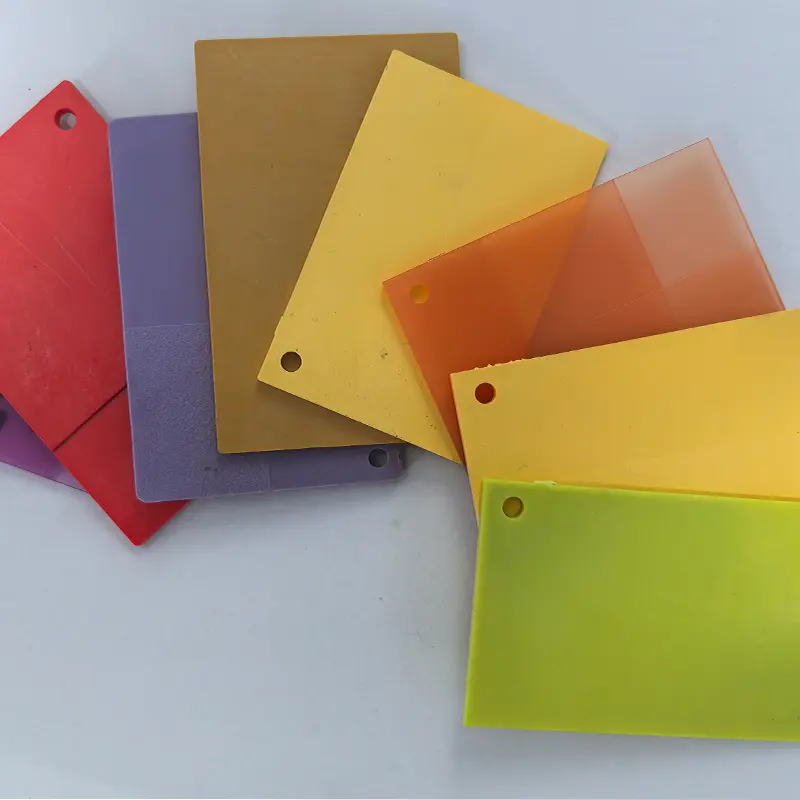
The strength of a plastic material can be defined in several ways, including tensile strength, impact resistance, and chemical resistance. Tensile strength refers to the maximum amount of tensile (pulling) stress that a material can withstand before failure. Impact resistance measures a material's ability to absorb energy and resist sudden forces or shocks. Chemical resistance indicates how well a plastic can withstand exposure to various chemicals without degrading.
1. Tensile Strength: This is crucial for applications where the material will be subjected to stretching or pulling forces.
2. Flexural Strength: This measures a material's ability to resist deformation under load.
3. Impact Strength: This is vital for materials used in environments where they may be struck or dropped.
4. Compressive Strength: This indicates how well a material can withstand axial loads.
Polycarbonate is often regarded as one of the strongest plastics available. It is known for its exceptional impact resistance, being over 200 times stronger than glass. This makes it an ideal choice for applications requiring high durability, such as safety goggles, bulletproof windows, and automotive parts. Polycarbonate can withstand temperatures ranging from -40°C to 120°C, making it versatile for various environments.
- Safety Equipment: Used in eyewear and helmets due to its high impact resistance.
- Construction: Utilized in roofing and glazing applications.
- Automotive: Employed in headlamp lenses and interior components.
PEEK is a high-performance engineering thermoplastic known for its outstanding mechanical properties and thermal stability. It has a tensile strength of around 14,000 psi and can operate at temperatures up to 260°C. PEEK is resistant to a wide range of chemicals, making it suitable for demanding applications in aerospace, automotive, and medical industries.
- Aerospace: Used in components that require high strength and thermal stability.
- Medical Devices: Employed in surgical instruments and implants due to its biocompatibility.
- Automotive: Utilized in fuel systems and electrical connectors.
Nylon is a synthetic polymer that exhibits high tensile strength and excellent wear resistance. It is commonly used in applications where durability and flexibility are required. Nylon's tensile strength can reach up to 12,400 psi, making it suitable for various mechanical applications.
- Textiles: Used in clothing and upholstery due to its strength and elasticity.
- Automotive: Employed in gears, bearings, and other components.
- Industrial: Utilized in conveyor belts and ropes.
Polyamide-imide is one of the strongest plastics available, with a tensile strength of approximately 21,000 psi. It maintains its strength at high temperatures and is resistant to wear and chemicals. PAI is often used in applications that require high performance under extreme conditions.
- Aerospace: Used in components that must withstand high temperatures and stresses.
- Electrical: Employed in circuit boards and connectors.
- Mechanical: Utilized in gears and bearings.
UHMWPE is known for its incredible impact strength and low friction properties. It is often used in applications where high wear resistance is essential. This material can absorb significant energy, making it ideal for protective gear and industrial applications.
- Medical: Used in joint replacements and surgical devices.
- Industrial: Employed in conveyor systems and wear strips.
- Sports Equipment: Utilized in protective gear for athletes.
| Material | Tensile Strength (psi) | Impact Resistance | Temperature Resistance | Key Applications |
|---|---|---|---|---|
| Polycarbonate | 9,000 | Excellent | -40°C to 120°C | Safety goggles, automotive parts |
| PEEK | 14,000 | Good | Up to 260°C | Aerospace, medical devices |
| Nylon | 12,400 | Good | -40°C to 120°C | Textiles, automotive components |
| Polyamide-Imide | 21,000 | Excellent | Up to 260°C | Aerospace, electrical components |
| UHMWPE | 3,500 | Excellent | -200°C to 80°C | Medical, industrial applications |
When selecting a plastic material for a specific application, several factors should be considered:
1. Mechanical Properties: Assess the tensile and impact strength required for the application.
2. Environmental Conditions: Consider the temperature and chemical exposure the material will face.
3. Cost: Evaluate the budget for the project, as some high-performance plastics can be expensive.
4. Processing Methods: Determine how the material will be manufactured and whether it can be easily molded or extruded.
The strongest plastic materials, such as polycarbonate, PEEK, nylon, polyamide-imide, and UHMWPE, offer exceptional properties that make them suitable for a wide range of applications. Understanding the strengths and weaknesses of these materials is crucial for engineers and designers when selecting the right plastic for their projects. As technology advances, the development of new and improved plastics continues, promising even greater strength and versatility in the future.

1. What is the strongest plastic material?
- The strongest plastic material is often considered to be polyamide-imide (PAI), with a tensile strength of approximately 21,000 psi.
2. How does polycarbonate compare to other plastics?
- Polycarbonate is known for its excellent impact resistance, being over 200 times stronger than glass, making it ideal for safety applications.
3. What are the applications of PEEK?
- PEEK is used in aerospace, medical devices, and automotive applications due to its high strength and thermal stability.
4. Is nylon a strong plastic?
- Yes, nylon has a high tensile strength of up to 12,400 psi and is widely used in textiles and automotive components.
5. What is UHMWPE used for?
- UHMWPE is used in medical applications, industrial wear strips, and sports equipment due to its high impact strength and low friction properties.
Hot Tags: China, Global, OEM, private label, manufacturers, factory, suppliers, manufacturing company