Views: 220 Author: plastic-material Publish Time: 2026-01-23 Origin: Site


Content Menu
● What is High-Density Polyethylene (HDPE)?
>> 1. Packaging
● Safety and Environmental Considerations
Plastic is an integral part of modern life, found in everything from packaging to household items. Understanding the different types of plastics and their recycling codes is crucial for effective waste management and environmental sustainability. One of the most common types of plastic is identified by the recycling number 2, which stands for High-Density Polyethylene (HDPE). This article will explore the characteristics, uses, benefits, and recycling processes associated with HDPE, as well as address common questions related to this material.

High-Density Polyethylene (HDPE) is a thermoplastic polymer made from petroleum. It is known for its high strength-to-density ratio, making it a durable and versatile material. HDPE is characterized by its opaque appearance and can be either colored or clear. It is widely used in various applications due to its excellent resistance to impact, chemicals, and moisture.
HDPE possesses several key properties that make it suitable for a wide range of applications:
- Strength and Durability: HDPE is known for its toughness and ability to withstand physical stress, making it ideal for products that require durability.
- Chemical Resistance: This plastic is resistant to many chemicals, which allows it to be used for containers that hold cleaning agents, detergents, and other potentially harmful substances.
- Low Moisture Absorption: HDPE does not absorb moisture, which helps maintain the integrity of the products it contains.
- Temperature Resistance: HDPE can withstand a wide range of temperatures, making it suitable for both hot and cold applications.
HDPE is utilized in a variety of products across different industries. Some common applications include:
HDPE is widely used in packaging due to its strength and resistance to moisture. Common packaging items made from HDPE include:
- Milk jugs
- Juice bottles
- Detergent containers
- Shampoo bottles
HDPE is also used in the construction industry for various applications, such as:
- Plastic lumber for outdoor furniture
- Pipes for plumbing and drainage systems
- Fencing materials
Many household items are made from HDPE, including:
- Trash cans
- Storage containers
- Toys
In industrial settings, HDPE is used for:
- Chemical drums
- Bulk containers
- Equipment housings
One of the significant advantages of HDPE is its recyclability. The recycling process for HDPE is relatively straightforward, and it can be recycled multiple times without losing its properties.
1. Collection: HDPE products are collected through curbside recycling programs or at recycling centers.
2. Sorting: The collected materials are sorted to separate HDPE from other types of plastics.
3. Cleaning: The sorted HDPE is cleaned to remove any contaminants, such as labels or residues from the original contents.
4. Shredding: The clean HDPE is then shredded into small pieces to facilitate processing.
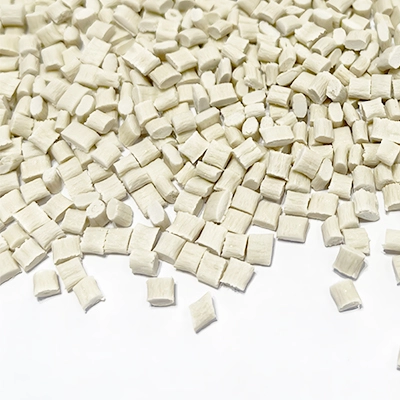
5. Melting and Reforming: The shredded HDPE is melted down and formed into pellets, which can be used to manufacture new products.
Recycling HDPE offers several environmental benefits:
- Reduces Waste: Recycling helps divert plastic waste from landfills, reducing the overall volume of waste.
- Conserves Resources: By recycling HDPE, we can conserve natural resources and reduce the need for new plastic production.
- Energy Savings: The recycling process typically requires less energy compared to producing new plastic from raw materials.
HDPE is considered one of the safer plastics for food and beverage containers. It is less likely to leach harmful chemicals compared to other types of plastics, making it a preferred choice for many applications. However, it is essential to note that while HDPE is safer, it is still a plastic and should be used responsibly.
Despite its recyclability, the production and disposal of HDPE can have environmental impacts. The extraction of petroleum, which is used to produce HDPE, contributes to greenhouse gas emissions. Additionally, if not properly recycled, HDPE can contribute to plastic pollution in the environment.
High-Density Polyethylene (HDPE) is a versatile and widely used plastic material identified by the recycling number 2. Its strength, durability, and recyclability make it an essential component in various industries, from packaging to construction. Understanding the properties and uses of HDPE can help consumers make informed choices about plastic products and their environmental impact.

1. What products are commonly made from HDPE?
- Common products include milk jugs, detergent bottles, and plastic lumber.
2. Is HDPE safe for food storage?
- Yes, HDPE is considered safe for food storage and is less likely to leach harmful chemicals.
3. How many times can HDPE be recycled?
- HDPE can be recycled multiple times, typically up to 10 times, without losing its properties.
4. What should I do with my HDPE products when they are no longer needed?
- HDPE products should be recycled through local curbside programs or taken to recycling centers.
5. Are there any environmental concerns with HDPE?
- While HDPE is recyclable, its production from petroleum contributes to greenhouse gas emissions, and improper disposal can lead to plastic pollution.
Hot Tags: China, Global, OEM, private label, manufacturers, factory, suppliers, manufacturing company