Views: 220 Author: plastic-material Publish Time: 2025-12-11 Origin: Site


Content Menu
● Understanding PEEK: An Overview
>> Low Friction and Wear Resistance
>> Electronics
>> Versatility
>> Lightweight
● Challenges and Considerations
>> Cost
Polyether ether ketone, commonly known as PEEK, is a high-performance thermoplastic that has gained significant attention in various industries due to its exceptional properties. This article delves into the characteristics, applications, and advantages of PEEK, providing a comprehensive overview of this remarkable material.

PEEK is a semi-crystalline thermoplastic polymer that belongs to the polyaryletherketone (PAEK) family. It was first developed in the late 1970s and has since become a staple in engineering applications due to its outstanding mechanical and chemical resistance properties. PEEK is known for its ability to maintain performance in extreme environments, making it suitable for a wide range of applications.
The chemical structure of PEEK consists of repeating units of ether and ketone groups, which contribute to its unique properties. The polymer's backbone is composed of aromatic rings, providing rigidity and strength. This structure allows PEEK to withstand high temperatures and aggressive chemicals, making it a preferred choice in demanding applications.
One of the most notable features of PEEK is its exceptional thermal stability. It can operate effectively at temperatures up to 250°C (482°F) and has a melting point of approximately 343°C (649°F). This high thermal resistance makes PEEK ideal for applications that involve heat exposure, such as in the aerospace and automotive industries.
PEEK exhibits remarkable resistance to a wide range of chemicals, including acids, bases, and organic solvents. This property is crucial for applications in the chemical processing industry, where materials are often exposed to harsh environments. PEEK's chemical resistance ensures longevity and reliability in such settings.
PEEK is known for its high mechanical strength, which includes excellent tensile strength and flexural modulus. This strength allows PEEK components to withstand significant loads and stresses without deforming or breaking. Its toughness and durability make it suitable for use in high-stress applications, such as in medical devices and aerospace components.
Another advantage of PEEK is its low friction coefficient, which reduces wear and tear in moving parts. This property is particularly beneficial in applications involving bearings, seals, and other components that experience continuous motion. The wear resistance of PEEK contributes to the longevity of these components, reducing maintenance costs.
PEEK is available in several grades, each tailored for specific applications. The most common types include:
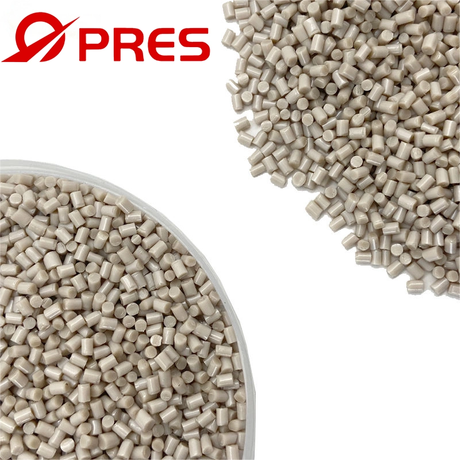
This is the standard grade of PEEK, known for its excellent mechanical properties and versatility. Unfilled PEEK is often used in general-purpose applications, including electrical components and medical devices.
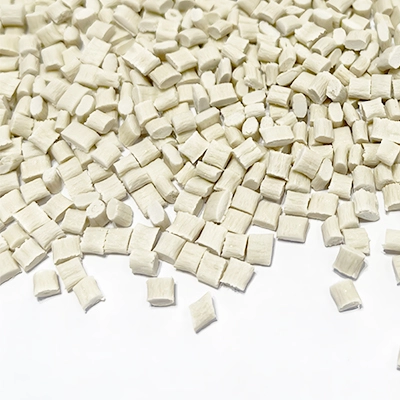
Glass-filled PEEK incorporates glass fibers to enhance its mechanical properties. This grade offers increased rigidity and reduced thermal expansion, making it suitable for applications that require dimensional stability under varying temperatures.
Carbon-filled PEEK is reinforced with carbon fibers, providing enhanced strength and stiffness. This type is ideal for applications that demand high rigidity and creep resistance, such as in aerospace and automotive components.
In addition to the standard grades, PEEK can be modified with various additives to enhance specific properties. For example, conductive PEEK is used in applications requiring electrical conductivity, while flame-retardant PEEK is designed for environments where fire safety is a concern.
PEEK's high strength-to-weight ratio and thermal stability make it a popular choice in the aerospace sector. It is used in components such as brackets, housings, and insulation materials, where performance and reliability are critical.
In the medical field, PEEK is utilized for its biocompatibility and sterilization capabilities. It is commonly found in surgical instruments, implants, and dental devices, where it must withstand sterilization processes without degrading.
The automotive industry benefits from PEEK's durability and resistance to chemicals and high temperatures. It is used in various applications, including fuel systems, electrical connectors, and under-the-hood components.
PEEK's chemical resistance makes it an excellent choice for components in chemical processing equipment. It is used in valves, pumps, and seals that must endure harsh chemicals and high temperatures.
In the electronics sector, PEEK is valued for its insulating properties and thermal stability. It is used in connectors, circuit boards, and other components that require reliable performance in challenging environments.
PEEK's durability and resistance to wear and chemicals contribute to the longevity of components made from this material. This reliability reduces the need for frequent replacements, leading to cost savings over time.
PEEK can be processed using various methods, including injection molding and extrusion, allowing for a wide range of shapes and sizes. This versatility makes it suitable for diverse applications across multiple industries.
The combination of high strength, thermal stability, and chemical resistance positions PEEK as a high-performance material. It outperforms many traditional plastics, making it a preferred choice for demanding applications.
Despite its strength, PEEK is lightweight, which is particularly advantageous in industries like aerospace and automotive, where reducing weight can lead to improved fuel efficiency and performance.
One of the primary challenges associated with PEEK is its cost. It is generally more expensive than other engineering plastics, which can be a barrier for some applications. However, the long-term benefits often justify the initial investment.
PEEK can be challenging to process due to its high melting point and viscosity. Specialized equipment and techniques are often required to mold and shape PEEK components effectively.
While PEEK is widely used in specific industries, its availability may be limited compared to more common plastics. This can affect lead times and production schedules for projects requiring PEEK components.
PEEK is a remarkable thermoplastic that offers a unique combination of properties, making it suitable for a wide range of high-performance applications. Its thermal stability, chemical resistance, and mechanical strength position it as a leading material in industries such as aerospace, medical, automotive, and chemical processing. Despite its higher cost and processing challenges, the advantages of PEEK often outweigh these drawbacks, making it a valuable choice for engineers and manufacturers.

1. What is the maximum temperature PEEK can withstand?
- PEEK can operate effectively at temperatures up to 250°C (482°F).
2. Is PEEK biocompatible?
- Yes, PEEK is biocompatible and is commonly used in medical devices and implants.
3. What are the different grades of PEEK?
- The main grades include unfilled PEEK, glass-filled PEEK, and carbon-filled PEEK, each tailored for specific applications.
4. Can PEEK be recycled?
- PEEK is technically recyclable, but the recycling process can be complex and is not widely practiced.
5. What industries commonly use PEEK?
- PEEK is used in aerospace, medical, automotive, chemical processing, and electronics industries.
Hot Tags: China, Global, OEM, private label, manufacturers, factory, suppliers, manufacturing company