
Views: 220 Author: plastic-material Publish Time: 2025-12-17 Origin: Site
Content Menu
>> 2. Burn Test
● Practical Applications of Plastic Identification
>> Recycling
Identifying plastic materials is essential in various fields, including recycling, manufacturing, and product design. With the increasing use of plastics in everyday products, understanding how to identify different types of plastic can help in making informed decisions regarding their use, disposal, and recycling. This article will explore various methods for identifying plastic materials, including visual inspection, physical tests, and chemical analysis.
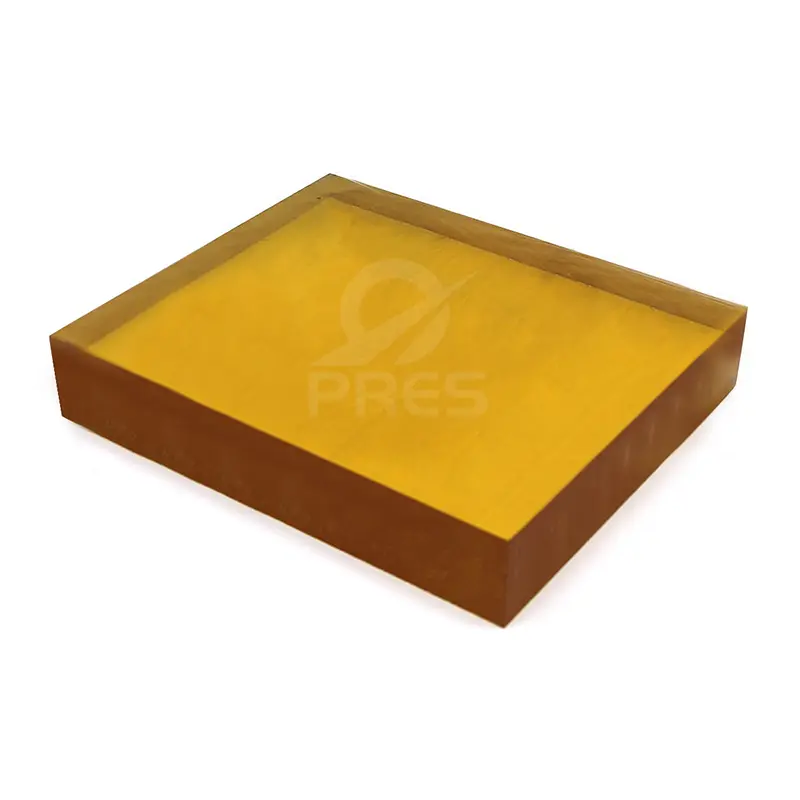
Plastics are categorized into two main types: thermoplastics and thermosetting plastics.
Thermoplastics can be melted and reshaped multiple times without significant degradation. Common examples include:
- Polyethylene (PE): Used in plastic bags and bottles.
- Polypropylene (PP): Found in containers, automotive parts, and textiles.
- Polyvinyl Chloride (PVC): Used in pipes, medical devices, and flooring.
Thermosetting plastics, once set into a shape, cannot be remelted. Examples include:
- Epoxy Resins: Used in adhesives and coatings.
- Phenolic Resins: Common in electrical insulators and kitchenware.
The first step in identifying plastic materials is visual inspection. This involves examining the plastic's appearance, color, and texture.
Plastics come in various colors and levels of transparency. For instance, polyethylene is often translucent, while PVC can be clear or opaque.
The surface texture can also provide clues. For example, ABS (Acrylonitrile Butadiene Styrene) has a glossy finish, while polypropylene may have a more matte appearance.
Once visual inspection is complete, several physical tests can help further identify the plastic material.
This simple test involves placing a small piece of plastic in water. Different plastics have different densities, which can help in identification:
- Floats: Polypropylene (PP), Low-Density Polyethylene (LDPE)
- Sinks: Polyvinyl Chloride (PVC), High-Density Polyethylene (HDPE)
The burn test can provide significant information about the type of plastic. A small piece of plastic is ignited, and the flame characteristics, smoke color, and odor are observed:
- Polyethylene: Burns with a yellow flame and drips.
- PVC: Burns with a green flame and produces a pungent odor.
Using a sharp object, scratch the surface of the plastic. Some plastics, like acrylic, are more prone to scratching than others, such as polycarbonate.
For more precise identification, chemical tests can be employed. These tests often require specialized knowledge and equipment.
Different plastics react differently to solvents. For example, polystyrene dissolves in acetone, while polyethylene does not.
This advanced technique involves analyzing the infrared spectrum of the plastic. Each type of plastic has a unique spectral fingerprint, allowing for accurate identification.
Many plastic products come with identification codes, typically found on the bottom of containers. These codes, established by the Society of the Plastics Industry (SPI), range from 1 to 7 and indicate the type of plastic:
- 1 - PET (Polyethylene Terephthalate): Common in beverage bottles.
- 2 - HDPE (High-Density Polyethylene): Used in milk jugs and detergent bottles.
- 3 - PVC (Polyvinyl Chloride): Found in pipes and clear food packaging.
- 4 - LDPE (Low-Density Polyethylene): Used in grocery bags.
- 5 - PP (Polypropylene): Common in yogurt containers.
- 6 - PS (Polystyrene): Found in disposable cutlery and foam packaging.
- 7 - Other: Includes various other plastics, such as polycarbonate and nylon.
Identifying plastic materials is crucial in several areas:
Proper identification of plastics ensures that they are recycled correctly. Different plastics have different recycling processes, and mixing them can contaminate the recycling stream.
In manufacturing, knowing the type of plastic is essential for selecting the right materials for specific applications. This can affect product durability, safety, and performance.
Understanding the types of plastics used in products can help consumers make more environmentally friendly choices, such as opting for biodegradable or recyclable materials.
Identifying plastic materials involves a combination of visual inspection, physical tests, and chemical analysis. By understanding the characteristics of different plastics and utilizing identification codes, individuals and businesses can make informed decisions regarding the use and disposal of plastic products.

1. What is the easiest way to identify plastic?
- The easiest way is through visual inspection and simple tests like the float test.
2. Can I identify plastic without special equipment?
- Yes, many identification methods can be performed with common household items.
3. What are the dangers of burning plastic?
- Burning plastic can release toxic fumes and should be done with caution.
4. How can I recycle different types of plastic?
- Check local recycling guidelines, as different plastics may have specific recycling processes.
5. What should I do if I can't identify a plastic?
- Consult a professional or use advanced methods like infrared spectroscopy for accurate identification.
Hot Tags: China, Global, OEM, private label, manufacturers, factory, suppliers, manufacturing company


