Views: 220 Author: plastic-material Publish Time: 2026-03-16 Origin: Site


Content Menu
● The Basics of 3D Printing Filament
>> Step 1: Selection and Preparation of Raw Materials
>> Step 2: Mixing and Coloring
>> Step 3: Extrusion – Shaping the Filament
>>> Shaping Through the Nozzle
>> Step 4: Cooling and Diameter Calibration
>> Step 5: Pulling and Spooling
>> Step 7: Drying, Packaging, and Labeling
● Factors Affecting Filament Quality
● Innovations in Filament Production
● Environmental Considerations
>> The Human Touch Behind the Process
● Frequently Asked Questions (FAQ)
Understanding how 3D printing filament is produced provides insights into the quality, performance, and innovation behind the objects we print every day. Filament is the lifeblood of FDM (Fused Deposition Modeling) printers, feeding them materials that transform digital designs into physical creations. Although it looks like a simple plastic strand, the science and engineering behind its production are far from straightforward.
This article takes you through the entire process—from raw material selection to packaging—examining the technologies, challenges, and quality standards that ensure filament consistency and performance.

Before diving into manufacturing, it helps to understand what filament is. In essence, 3D printing filament is a thermoplastic polymer shaped into a continuous strand of fixed diameter, typically 1.75 mm or 2.85 mm. When heated inside a printer's extruder, it melts and is deposited layer by layer to build up an object.
Common filament materials include:
- PLA (Polylactic Acid): Biodegradable and user-friendly, suitable for beginners.
- ABS (Acrylonitrile Butadiene Styrene): Strong and durable, but more difficult to print.
- PETG (Polyethylene Terephthalate Glycol): A hybrid of durability and ease of use.
- Nylon, TPU, and composites: Used for specialized needs like flexibility or added strength.
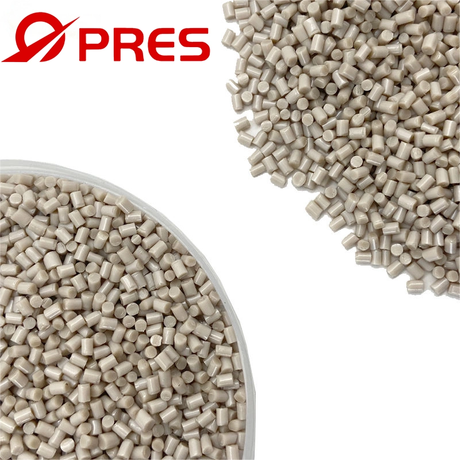
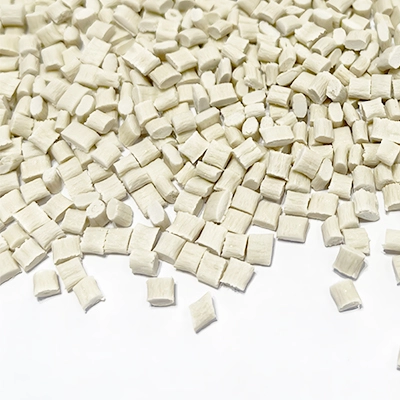
Each of these materials begins as small polymer granules called *pellets*, which serve as the foundation of filament production.
The process of turning raw pellets into 3D printing filament involves several carefully controlled steps. Each stage affects the filament's final mechanical properties, color, consistency, and print performance.
The journey starts with the selection of polymer pellets. Manufacturers source pellets of specific molecular weights and compositions depending on the desired filament type.
For instance:
- PLA uses cornstarch-based biopolymers.
- ABS uses petroleum-derived thermoplastics.
- PETG combines glycol-modified polyethylene terephthalate for strength and clarity.
To ensure consistency, pellets are inspected for impurities and moisture. Moisture is particularly dangerous because water within polymer pellets causes *hydrolysis*—a reaction that weakens plastic chains when heated. Therefore, pellets must undergo drying before extrusion.
Drying occurs in specialized dehumidifying ovens at controlled temperatures. The duration depends on the polymer type—PLA typically requires 4–6 hours, while hygroscopic materials like nylon may need over 24 hours.
Once dry, pellets are blended with additives that modify the filament's appearance or performance. Additives may include:
- Colorants (pigments or masterbatches) for various shades.
- UV stabilizers to prevent sunlight degradation.
- Lubricants to improve flow inside the extruder.
- Fillers like carbon fiber, wood powder, or metal dust to create specialty filaments.
This step determines not only the filament's look but also how it behaves during printing. A poorly mixed batch can lead to uneven color or inconsistent diameter later.
Manufacturers use mechanical mixers or tumblers to ensure even distribution. In large-scale operations, gravimetric feeders automatically portion ingredients to maintain precise ratios.
The extrusion process is the heart of filament manufacturing. It transforms the pellet mix into a continuous molten string.
The prepared pellets enter a hopper, which funnels them into the extruder barrel—a metal tube equipped with a rotating screw. As the screw spins, it pushes the pellets forward through progressively hotter zones, melting them into a uniform fluid.
Temperature control is crucial. If the plastic is overheated, it can degrade chemically; if underheated, it won't melt evenly, causing diameter fluctuations. For PLA, extrusion temperatures range between 180–220°C, while ABS melts at 230–260°C.
Once molten, the polymer passes through a die—a precision-engineered nozzle that shapes the material into a round filament of the desired thickness. The die determines the filament's initial diameter, but real precision comes later through fine adjustments in cooling and spooling.
As the filament exits the extruder, it's still soft. Immediate cooling is vital to "freeze" its shape and lock in consistent measurements.
Manufacturers use water baths or air cooling systems to regulate this step. The filament first passes through a warm water section to remove internal stresses, followed by colder water to stabilize shape.
Between baths, laser micrometers measure the filament's thickness in real time. A feedback control system adjusts the extruder's speed or pulling rate to ensure diameter precision within ±0.05 mm tolerance—a small but critical range for smooth printing.
For example, if sensors detect the filament becoming too thick, the pulling mechanism slightly accelerates, stretching the material thinner. Conversely, if it's too thin, pulling slows down.
This automated calibration guarantees tight dimensional control, essential for preventing clogs and ensuring even extrusion in printers.
After cooling, the filament passes through a puller or haul-off system—rubberized rollers that maintain tension and speed. From there, it travels to the spooling unit, where it's wound onto reels for storage and sale.
Spooling machines must operate with delicate precision. Excessive tension can stretch and weaken the material, while loose winding can lead to tangled spools.
Operators also inspect filaments for surface imperfections, bubbles, or discoloration. High-end producers employ optical scanners to detect defects automatically.
Every reputable filament manufacturer has a rigorous quality assurance process. Testing ensures that the final product meets performance standards before it reaches consumers.
Common tests include:
- Diameter consistency: Continuous laser measurement ensures uniformity.
- Roundness: Filament must remain perfectly circular to feed properly.
- Tensile strength: Samples are stretched to verify durability.
- Melt flow index: Determines how easily the material extrudes under heat.
- Print test: Each batch often undergoes a sample 3D print to confirm reliability.
Temperature and humidity logs during manufacturing are also recorded, as they can influence filament stability, particularly for hygroscopic materials like nylon.
Before packaging, most filaments are dried again to remove residual moisture absorbed during processing. This step is vital for hygroscopic materials such as PETG or TPU.
Filament spools are then vacuum-sealed in moisture-proof bags with desiccant packs. Some manufacturers add nitrogen flushing to further protect the material. Proper packaging prevents brittleness, bubbling, or poor bed adhesion during later printing.
Finally, each spool receives a label detailing:
- Material type (e.g., PLA, ABS)
- Diameter and weight
- Color
- Recommended printing temperatures
- Batch number for traceability
Packaged spools are boxed and ready for distribution. At this point, the once raw pellets have fully transformed into precise, high-performance materials used in everything from hobby projects to aerospace prototypes.
Even with advanced machinery, filament quality can vary due to numerous factors. Understanding these helps both manufacturers and users identify issues.
- Moisture: Absorbed water causes bubbles, rough texture, and weak prints.
- Poor mixing: Leads to color streaks or uneven mechanical performance.
- Inconsistent temperature: Produces diameter fluctuation or internal stress.
- Dirty equipment: Contaminants cause blockages or discoloration.
- Storage conditions: Improper storage after production degrades material quality.
Each problem can lead to visible issues during printing—such as under-extrusion, stringing, or delamination. Hence, careful maintenance and monitoring are integral parts of the manufacturing ecosystem.
Filament manufacturing continues to evolve with new materials and smarter automation. Recent advances include:
- Recycled filaments: Made from recycled plastic or print waste to promote sustainability.
- Composite filaments: Blending polymers with fibers or powders to boost strength or aesthetics.
- Smart sensors: Fully automated quality control using AI-driven analytics.
- On-demand filament recycling: Systems designed for users to recycle failed prints back into usable material at home.
These innovations not only expand consumer choices but also point toward more sustainable, decentralized manufacturing futures.
As 3D printing grows, environmental concerns about plastic waste have risen. Fortunately, many manufacturers now prioritize eco-friendly practices:
- Using biodegradable materials like PLA.
- Implementing closed-loop cooling systems to conserve water.
- Recovering scrap during extrusion for recycling.
- Employing eco-friendly packaging.
Sustainability has become a marketing and ethical cornerstone for modern filament producers. It influences consumer preference and encourages continuous innovation in green materials.
Despite heavy automation, skilled technicians remain indispensable. They interpret machine data, adjust parameters, and visually inspect output quality. Expertise in polymer behavior and process control ensures the filament meets high-performance demands.
In other words, behind every smooth, consistent spool lies the craftsmanship of people who blend technology with material science.

1. Why is filament diameter so important?
Consistent diameter ensures smooth feeding through the printer nozzle. Even slight variations can cause clogs or uneven extrusion, affecting print quality.
2. What causes filament to become brittle?
Exposure to humidity or UV light over time breaks down polymer chains. Keeping filament sealed in dry storage extends its lifespan.
3. Can I make filament at home?
Yes, with a desktop filament extruder and proper equipment, you can recycle PLA prints into new filament. However, maintaining consistent diameter is challenging without industrial-grade monitoring tools.
4. Why do some filaments contain additives like carbon fiber?
Additives alter mechanical or aesthetic properties. Carbon fiber increases stiffness and heat resistance, while wood powder adds texture and color reminiscent of real wood.
5. What's the difference between 1.75 mm and 2.85 mm filament?
They're simply different standard diameters used by various printers. 1.75 mm is more common and offers finer extrusion control, while 2.85 mm is used in certain professional machines for faster flow rates.
Hot Tags: China, Global, OEM, private label, manufacturers, factory, suppliers, manufacturing company