
Views: 220 Author: plastic-material Publish Time: 2025-12-10 Origin: Site


Content Menu
● Understanding 3D Printing Technologies
>> What is Filament 3D Printing?
● Key Differences Between Resin and Filament Printing
>> Ease of Use
>> Build Volume
● Applications of Resin and Filament Printing
>> When to Use Filament Printing
● Pros and Cons of Each Method
>> 1. Is filament 3D printing cheaper than resin 3D printing?
>> 2. Are resin prints more detailed than filament prints?
>> 3. Which method is better for beginners?
>> 4. Can resin prints be as strong as filament prints?
>> 5. What are the main applications for each printing method?
3D printing has revolutionized the way we create objects, allowing for rapid prototyping, custom designs, and intricate details that were once impossible to achieve. Among the various technologies available, resin and filament printing are the two most popular methods. Each has its unique advantages and disadvantages, making the choice between them a significant consideration for hobbyists and professionals alike. This article will explore the differences between resin and filament 3D printing, helping you determine which method is better suited for your needs.

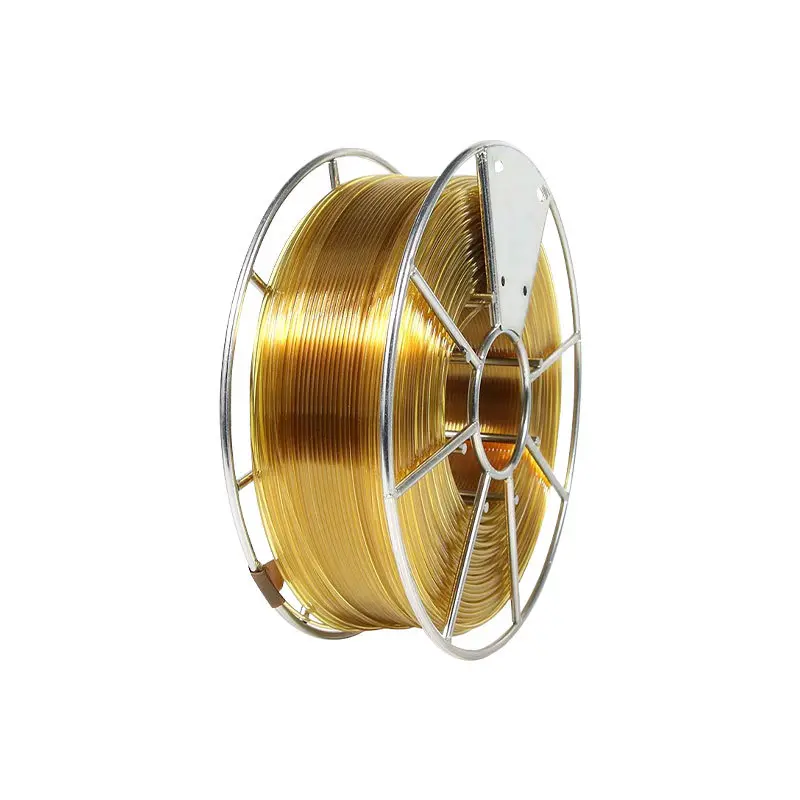
Filament 3D printing, also known as Fused Deposition Modeling (FDM), involves melting thermoplastic filament and extruding it layer by layer to create a three-dimensional object. The process is relatively straightforward and is often considered more user-friendly, especially for beginners. Common materials used in filament printing include PLA (Polylactic Acid), ABS (Acrylonitrile Butadiene Styrene), and PETG (Polyethylene Terephthalate Glycol).
Resin 3D printing, or Stereolithography (SLA), utilizes a liquid photopolymer resin that is cured layer by layer using ultraviolet (UV) light. This method allows for incredibly high detail and smooth surface finishes, making it ideal for applications requiring precision, such as jewelry, dental models, and miniatures. However, resin printing often involves more complex post-processing steps, including washing and curing the printed parts.
One of the most significant differences between resin and filament printing is the level of detail and surface finish achievable with each method.
- Resin Printing: Offers superior detail and a smoother finish. The layer lines are less visible, making it ideal for intricate designs and small parts.
- Filament Printing: While capable of producing good quality prints, filament prints often exhibit more visible layer lines and a rougher surface finish compared to resin prints.
When it comes to strength and durability, filament printing generally has the upper hand.
- Filament Printing: Materials like ABS and PETG are known for their robustness, making them suitable for functional parts that need to withstand stress and strain.
- Resin Printing: Standard resin prints can be more brittle and less durable than filament prints. However, there are specialized resins designed for strength, though they often come at a higher cost.
The user experience can vary significantly between the two methods.
- Filament Printing: Typically more straightforward and easier for beginners. Most filament printers are plug-and-play, requiring minimal setup and maintenance.
- Resin Printing: Involves a steeper learning curve. Users must handle toxic materials, manage post-processing, and ensure proper ventilation during printing.
Cost is a crucial factor when choosing between resin and filament printing.
- Filament Printing: Generally more affordable, both in terms of initial investment and ongoing material costs. A spool of filament can cost around $20 for 1 kg, while resin can range from $15 to $80 for 500 ml to 1 liter.
- Resin Printing: While the initial cost of a resin printer may be lower than high-end filament printers, the ongoing costs can add up due to the need for additional materials like isopropyl alcohol for cleaning and UV curing lamps.
The build volume is another important consideration, especially for larger projects.
- Filament Printing: Often has a larger build volume, allowing for the creation of bigger parts in a single print.
- Resin Printing: Typically has a smaller build area, which can limit the size of the objects you can print. However, larger resin printers are available, but they tend to be more expensive.
Filament printing is ideal for:
- Functional Prototypes: Parts that need to be tested for fit and function.
- Larger Models: Items that require a larger build volume, such as furniture or architectural models.
- Educational Purposes: Schools and hobbyists often prefer filament printers due to their ease of use and lower costs.
Resin printing is best suited for:
- High-Detail Models: Jewelry, miniatures, and dental applications where precision is critical.
- Aesthetic Pieces: Items that require a smooth finish and intricate details, such as figurines and collectibles.
- Small Parts: Components that need to fit together precisely, such as in mechanical assemblies.
- Cost-Effective: Lower material costs and printer prices.
- User-Friendly: Easier setup and operation, making it suitable for beginners.
- Durable Prints: Stronger materials available for functional parts.
- Lower Detail: Less precision and detail compared to resin prints.
- Visible Layer Lines: More noticeable layer lines can affect the aesthetic quality of prints.
- High Detail and Finish: Exceptional surface quality and intricate details.
- Smooth Surfaces: Less post-processing required for aesthetic pieces.
- Higher Costs: More expensive materials and additional post-processing requirements.
- Complexity: Requires more knowledge and safety precautions due to the handling of toxic materials.
Choosing between resin and filament 3D printing ultimately depends on your specific needs and applications. If you prioritize detail and surface finish for small, intricate designs, resin printing is likely the better choice. However, if you need larger, more durable parts and a more user-friendly experience, filament printing may be the way to go. Understanding the strengths and weaknesses of each method will help you make an informed decision that aligns with your 3D printing goals.
Yes, filament printing is generally cheaper in terms of both initial setup and ongoing material costs.
Yes, resin prints typically offer higher detail and smoother finishes compared to filament prints.
Filament printing is often considered more user-friendly and easier for beginners due to its straightforward setup and operation.
Standard resin prints are usually more brittle, but there are specialized resins available that offer improved strength.
Filament printing is great for functional prototypes and larger models, while resin printing excels in high-detail models and aesthetic pieces.
Hot Tags: China, Global, OEM, private label, manufacturers, factory, suppliers, manufacturing company


