Views: 220 Author: plastic-material Publish Time: 2026-03-12 Origin: Site


Content Menu
● What Is 3D Printing Filament?
● Common Materials Used in 3D Printing Filaments
>> ABS (Acrylonitrile Butadiene Styrene)
>> PETG (Polyethylene Terephthalate Glycol-Modified)
>> TPU (Thermoplastic Polyurethane)
>> Nylon
● The Chemistry Behind 3D Printing Filament
● Environmental and Sustainable Filament Materials
>> Innovative Green Alternatives
● Specialty and High-Performance Filaments
>> Carbon Fiber and Glass-Filled Filaments
>> PEEK and PEI
● How Additives Influence Filament Properties
● The Manufacturing Process of Filament
● How to Choose the Right Filament
● The Future of 3D Printing Filament
● Related Questions and Answers
3D printing has reshaped the way we think about manufacturing, design, and creativity. Behind every printed object lies a crucial element — the filament. This thin strand of thermoplastic or composite material serves as the "ink" for most consumer and professional 3D printers. Understanding what 3D printing filament is made of helps us unlock its potential for different applications, from home inventions to aerospace engineering.
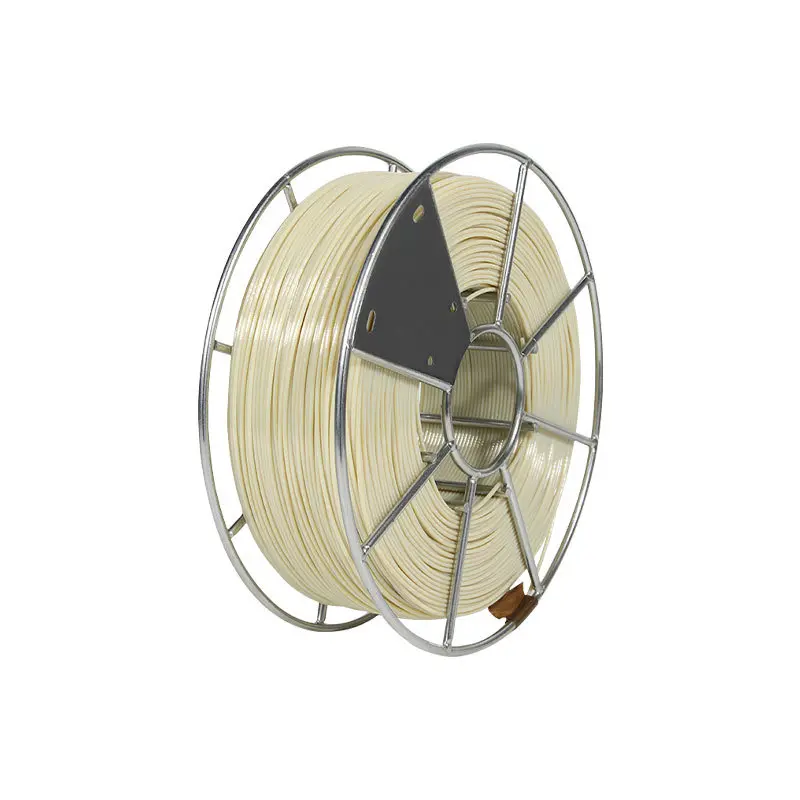
3D printing filament is a continuous strand of material fed into a printer that uses Fused Deposition Modeling (FDM) or Fused Filament Fabrication (FFF). As the filament passes through a heated nozzle, it melts, depositing layers to build an object from the bottom up.
At its core, the composition of filament determines its performance — flexibility, strength, durability, temperature resistance, and more.
Different 3D printing filaments are made from a wide range of materials, each with distinct properties. Below are the most common ones.
PLA is one of the most popular filaments due to its ease of use and environmental friendliness. It's derived from renewable resources such as cornstarch or sugarcane. When heated, PLA melts easily and produces minimal odor, making it ideal for beginners and educational environments.
However, it's not particularly heat-resistant and may deform if exposed to higher temperatures. Because of its brittleness, it's less suitable for mechanical parts requiring flexibility or durability.
ABS is a petroleum-based plastic known for its toughness and resilience. It can withstand higher temperatures than PLA and is widely used for industrial and functional parts. ABS filaments create durable, rigid prints, but they require a heated bed and good ventilation because the material emits fumes when melted.
ABS is the same plastic used in LEGO bricks, which demonstrates its reliability and strength in long-term use.
PETG combines the ease of printing with PLA and the strength of ABS. It's chemically resistant, clear, and slightly flexible. PETG is made from the same base material used in water bottles but modified with glycol to prevent crystallization. The result is a smooth, glossy print that balances toughness with clarity — often used in functional prototypes and food-safe containers.
TPU is a flexible plastic with rubber-like properties. It's made by combining hard and soft segments that allow elasticity and strength. TPU is ideal for parts that bend or compress, such as phone cases, belts, or gaskets. Printing with TPU requires a slow feed rate and precise printer calibration, as its flexibility can make it difficult to handle in standard extruders.
Nylon, also known as polyamide, is a strong, impact-resistant filament commonly used for industrial applications. It's naturally flexible and has excellent interlayer adhesion. Nylon filaments are made from synthetic polymers derived from petrochemical processes. One downside is that nylon absorbs moisture easily, so it must be stored in dry conditions.
Composite filaments are produced by infusing a base polymer (like PLA or ABS) with additives such as wood fibers, metal powder, or carbon fiber. These additives enhance aesthetics or performance.
- Wood-filled filaments give prints a natural wooden look and texture.
- Metal-filled filaments increase weight and provide a metallic finish.
- Carbon fiber composite filaments strengthen prints while reducing weight and warping.
The base of most filaments begins with polymerization — a chemical process that links monomers into long-chain molecules known as polymers. For example, PLA uses lactic acid monomers, while ABS uses acrylonitrile, butadiene, and styrene. These chains determine the flexibility, strength, and melting point of the filament.
To adjust color, UV stability, or mechanical performance, manufacturers blend in additives such as:
- Color pigments for aesthetic customization.
- Plasticizers to enhance flexibility.
- Stabilizers to resist degradation from heat or sunlight.
- Fillers like glass or carbon fibers for reinforcement.
After compounding, the mixture is extruded into thin strands (usually 1.75 mm or 2.85 mm in diameter) and wound onto spools for printing.
Sustainability is a growing focus in the 3D printing community. While many filaments traditionally come from petroleum sources, bio-based alternatives are expanding.
PLA leads the way as a biodegradable filament derived from renewable crops. Other bioplastics like PHA (Polyhydroxyalkanoate) are also being explored for compostable, eco-friendly printing.
Recycled filaments are made from reprocessed plastics such as used water bottles or failed prints. Companies grind, melt, and re-extrude the plastic into fresh filament, promoting circular economy practices. While recycled materials may slightly vary in consistency, they significantly reduce waste.
Some filaments incorporate natural fibers like hemp or algae to reinforce prints with renewable materials. These eco-filaments not only reduce carbon footprint but also offer unique visual textures and surface finishes.
Beyond the basics, the market now includes advanced materials engineered for professional applications.
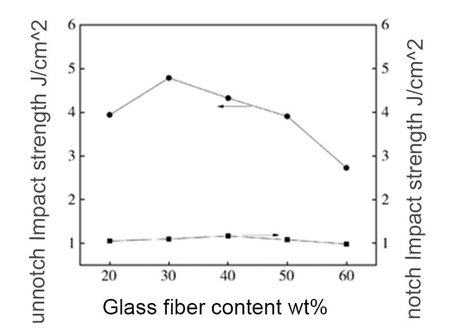
These composites integrate microscopic carbon or glass fibers to improve strength-to-weight ratios. They're used for drone parts, automotive components, and structural prototypes. Though stronger, they are also abrasive and can wear down brass nozzles, requiring hardened steel ones instead.
Polycarbonate filament offers exceptional strength, transparency, and high-temperature resistance. It's used in engineering-grade products like protective gear, lenses, or electrical housings. PC prints require controlled temperatures and an enclosed printer to prevent warping.
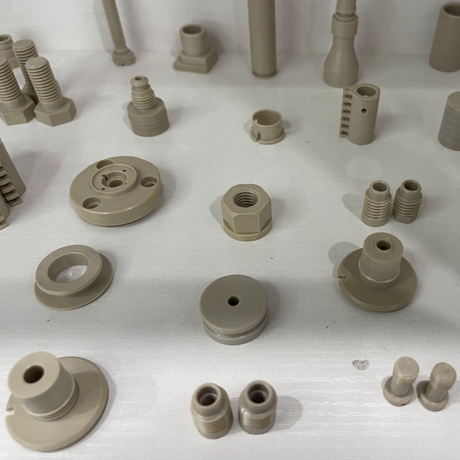
PEEK (Polyether Ether Ketone) and PEI (Polyetherimide) are advanced thermoplastics used in aerospace and medical industries. They can withstand extreme heat and maintain performance under chemical exposure. These materials demand industrial-grade printers with high-temperature extruders.
The addition of specific chemicals or reinforcements can dramatically alter how a filament behaves.
- Colorants and dyes provide a wide range of shades and finishes.
- UV stabilizers prevent fading or brittleness under sunlight.
- Impact modifiers improve toughness.
- Lubricants help with smoother extrusion.
- Conductive additives produce filaments that carry electricity, useful for printing sensors or circuits.
This customizability allows designers and engineers to select exactly the right filament for their projects.
Filament production involves several critical steps:
1. Raw material selection: Polymer pellets and additives are gathered based on the desired properties.
2. Compounding: Materials are blended and melted to form a uniform mix.
3. Extrusion: The molten polymer is pushed through a precision die to form a continuous strand.
4. Cooling: The strand passes through a water bath or air-cooling system.
5. Spooling: Once consistent diameter and smoothness are confirmed, the filament is wound onto spools.
6. Quality control: Tests ensure that the filament diameter, roundness, and moisture content meet strict tolerances.
Choosing the ideal filament depends on multiple factors:
- Purpose: Decorative vs. functional part.
- Strength requirement: PLA for aesthetics, nylon or ABS for durability.
- Flexibility: TPU for elasticity.
- Temperature resistance: PC or ABS for high heat.
- Printer capability: Heated bed, enclosure, and extrusion settings.
- Environmental goals: Opt for PLA or recycled materials when sustainability matters.
Innovation continues to redefine filament technology. Scientists are exploring:
- Smart filaments that change color with temperature or light.
- Electrically conductive filaments for printed electronics.
- Bio-based composites made from waste plant matter.
- Self-healing polymers capable of repairing minor damage over time.
As research advances, 3D printing materials will become smarter, stronger, and more sustainable, bringing us closer to a fully adaptive manufacturing ecosystem.

1. Can I make my own 3D printing filament?
Yes, you can use a filament extruder to recycle failed prints or pellets into new filament. However, maintaining consistent diameter and quality can be challenging without industrial-grade equipment.
2. What is the best filament for beginners?
PLA is the easiest and most forgiving filament to start with. It prints at lower temperatures, sticks well to most surfaces, and doesn't emit strong fumes.
3. Why does filament absorb moisture?
Many polymers, especially nylon and PETG, are hygroscopic — they attract water from the air. Moisture causes bubbles and inconsistent extrusion, so filaments should be stored in airtight containers with desiccant packs.
4. Can I recycle old prints into new filament?
Yes, but the recycled material may lose some strength or consistency after processing. Blending recycled filament with fresh material often improves reliability.
5. How long can filament be stored?
With proper storage — in a dry, cool environment — most filaments can last 12 to 24 months. Hygroscopic ones like nylon may need drying before each use.
Hot Tags: China, Global, OEM, private label, manufacturers, factory, suppliers, manufacturing company