Views: 220 Author: plastic-material Publish Time: 2025-12-23 Origin: Site


Content Menu
>> What is PBT?
● Manufacturing Process of PBT
>> Electronics and Electrical Applications
● Disadvantages of PBT Plastic
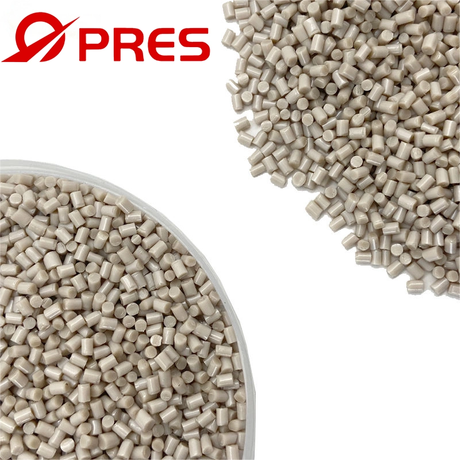
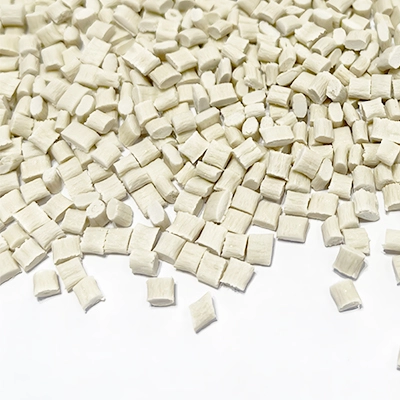
Polybutylene Terephthalate (PBT) is a versatile thermoplastic polymer that belongs to the polyester family. Known for its excellent mechanical and electrical properties, PBT is widely used in various industries, including automotive, electronics, and consumer goods. This article will explore the characteristics, manufacturing processes, applications, advantages, and disadvantages of PBT plastic, providing a comprehensive understanding of this important material.

PBT is a semi-crystalline thermoplastic that is produced through the polycondensation of terephthalic acid and 1,4-butanediol. This process results in a polymer that exhibits a unique combination of properties, making it suitable for a wide range of applications. PBT is often compared to polyethylene terephthalate (PET), as both materials share similar chemical structures and properties. However, PBT generally offers better impact resistance and lower moisture absorption.
The chemical formula for PBT is (C12H12O4)n, where "n" represents the number of repeating units in the polymer chain. The semi-crystalline structure of PBT contributes to its strength and durability, making it an ideal choice for engineering applications. The polymer's crystalline regions provide rigidity, while the amorphous regions enhance flexibility.
PBT possesses a range of properties that make it suitable for various applications:
- High Strength and Stiffness: PBT exhibits excellent tensile strength and stiffness, allowing it to withstand mechanical stress without deforming.
- Impact Resistance: The material is known for its ability to absorb shock, making it ideal for applications where durability is crucial.
- Heat Resistance: PBT can withstand temperatures up to 150°C (302°F) without losing its mechanical properties. With glass fiber reinforcement, this temperature can increase to 200°C (392°F).
- Low Thermal Expansion: PBT has a low coefficient of thermal expansion, which helps maintain dimensional stability under varying temperature conditions.
- Dielectric Strength: PBT is an excellent electrical insulator, making it suitable for use in electrical and electronic applications.
- Flame Retardancy: Certain grades of PBT can be treated with flame retardants, enhancing their safety in applications where fire resistance is necessary.
PBT exhibits robust resistance to a wide range of chemicals, including oils, greases, and solvents. This property makes it suitable for applications in harsh environments where exposure to chemicals is common.
The production of PBT involves several key steps:
The primary method for producing PBT is through the polycondensation of terephthalic acid and 1,4-butanediol. This reaction occurs in the presence of a catalyst, typically at elevated temperatures and under vacuum conditions to remove water produced during the reaction.
PBT can be processed using various techniques, including:
- Injection Molding: This is the most common method for shaping PBT into final products. The material is heated until molten and then injected into molds to create specific shapes.
- Extrusion: PBT can also be extruded into sheets, films, or other forms, which can then be cut or shaped as needed.
- Blow Molding: This technique is used to create hollow objects, such as bottles, from PBT.
PBT's unique properties make it suitable for a wide range of applications across various industries:
In the automotive sector, PBT is used for manufacturing components such as:
- Electrical connectors
- Switches and controls
- Interior trim parts
The material's heat resistance and durability make it ideal for automotive applications that require reliable performance under challenging conditions.
PBT is widely used in the electronics industry for:
- Insulators
- Circuit boards
- Connectors
Its excellent electrical insulating properties and resistance to heat make it a preferred choice for electronic components.
PBT is also found in various consumer products, including:
- Household appliances
- Toys
- Sporting goods
The material's versatility allows manufacturers to create lightweight, durable products that meet consumer demands.
In the medical field, PBT is used for:
- Medical devices
- Surgical instruments
- Packaging for pharmaceuticals
The material's chemical resistance and ability to withstand sterilization processes make it suitable for medical applications.
PBT offers several advantages that contribute to its popularity in various industries:
- Versatility: PBT can be easily molded into complex shapes, making it suitable for a wide range of applications.
- Durability: The material's strength and resistance to impact ensure long-lasting performance in demanding environments.
- Chemical Resistance: PBT's ability to resist chemicals makes it ideal for applications where exposure to harsh substances is common.
- Electrical Insulation: Its excellent dielectric properties make PBT a preferred choice for electrical and electronic components.
Despite its many advantages, PBT also has some drawbacks:
- Cost: PBT can be more expensive than other thermoplastics, which may limit its use in cost-sensitive applications.
- UV Sensitivity: PBT can degrade when exposed to ultraviolet (UV) light, necessitating the use of UV stabilizers for outdoor applications.
- Limited High-Temperature Performance: While PBT can withstand moderate heat, it may not perform well in extremely high-temperature environments compared to other materials.
Polybutylene Terephthalate (PBT) is a high-performance thermoplastic that offers a unique combination of mechanical, thermal, and electrical properties. Its versatility and durability make it suitable for a wide range of applications across various industries, including automotive, electronics, and consumer goods. While PBT has some limitations, its advantages often outweigh the drawbacks, making it a popular choice for manufacturers seeking reliable and efficient materials.
1. What is the difference between PBT and PET?
PBT and PET are both polyesters, but PBT generally has better impact resistance and lower moisture absorption compared to PET.
2. Can PBT be recycled?
Yes, PBT can be recycled, but the recycling process may vary depending on the specific grade and additives used.
3. Is PBT safe for food contact?
Certain grades of PBT are approved for food contact applications, but it is essential to verify compliance with relevant regulations.
4. What industries commonly use PBT?
PBT is commonly used in the automotive, electronics, consumer goods, and medical industries.
5. How does PBT perform in high-temperature environments?
PBT can withstand temperatures up to 150°C (302°F) and can be reinforced with glass fibers for higher temperature applications.
Hot Tags: China, Global, OEM, private label, manufacturers, factory, suppliers, manufacturing company