Views: 220 Author: Site Editor Publish Time: 2025-12-25 Origin: Site


Content Menu
● Understanding Virgin Plastic
>> Characteristics of Virgin Plastic
● Applications of Virgin Plastic
>> Packaging
>> Electronics
● Environmental Implications of Virgin Plastic
>> Alternatives to Virgin Plastic
Virgin plastic is a term that refers to plastic materials that are produced from raw, unprocessed resources. Unlike recycled plastics, which are made from previously used materials, virgin plastics are created from petrochemical feedstocks such as natural gas, crude oil, or other fossil fuels. This article will explore the characteristics, production processes, applications, and environmental implications of virgin plastic, providing a comprehensive understanding of this widely used material.

Virgin plastic is defined as plastic that has not been previously used or processed. It is derived from the initial extraction of fossil fuels, which are then transformed into plastic through various chemical processes. The most common types of virgin plastics include polyethylene (PE), polypropylene (PP), polystyrene (PS), and polyvinyl chloride (PVC). Each of these plastics has unique properties that make them suitable for different applications.
The production of virgin plastic involves several steps:
1. Extraction of Raw Materials: The process begins with the extraction of crude oil or natural gas. These resources are the primary feedstocks for plastic production.
2. Refining: The extracted materials are refined to separate the hydrocarbons, which are then converted into monomers through a process called cracking.
3. Polymerization: The monomers are chemically bonded to form polymers, which are long chains of repeating units. This process can be done through various methods, including addition polymerization and condensation polymerization.
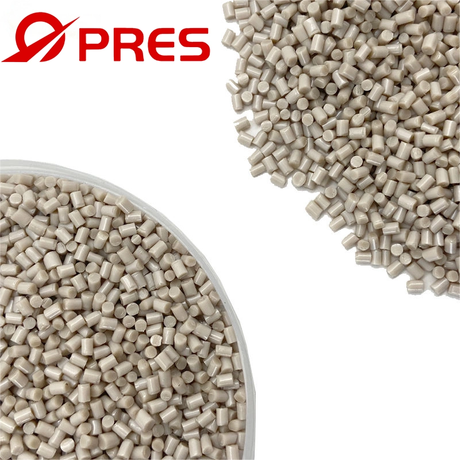
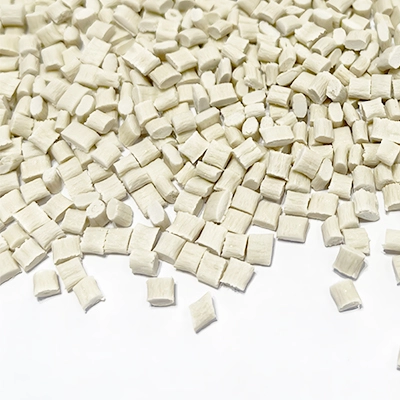
4. Pelletization: The resulting polymers are cooled and cut into small pellets, which are the form in which virgin plastic is typically sold to manufacturers.
Virgin plastic possesses several key characteristics that make it desirable for various applications:
- High Purity: Since it is made from unprocessed materials, virgin plastic is free from contaminants that can affect its performance.
- Durability: Virgin plastics are known for their strength and resistance to wear and tear, making them suitable for products that require longevity.
- Consistency: The production process ensures that virgin plastics have uniform properties, which is crucial for applications that demand precise specifications.
- Versatility: Virgin plastics can be molded into a wide range of shapes and sizes, allowing for diverse applications across different industries.
Virgin plastic is used in numerous industries due to its advantageous properties. Some common applications include:
One of the largest markets for virgin plastic is packaging. It is used to create bottles, containers, and films that protect products and extend their shelf life. The clarity and strength of virgin plastic make it ideal for food and beverage packaging, where safety and visibility are paramount.
In the automotive sector, virgin plastics are used for various components, including dashboards, bumpers, and interior trims. The lightweight nature of plastic helps improve fuel efficiency while maintaining structural integrity.
Virgin plastic is essential in the medical field, where it is used to manufacture syringes, IV bags, and other disposable medical products. The high purity and sterility of virgin plastic make it suitable for applications that require strict hygiene standards.
From toys to household items, virgin plastic is prevalent in consumer goods. Its ability to be molded into intricate designs allows manufacturers to create aesthetically pleasing products that appeal to consumers.
In the electronics industry, virgin plastic is used for casings, connectors, and insulation materials. Its electrical insulating properties and resistance to heat make it a preferred choice for electronic components.
While virgin plastic offers many benefits, its production and use also raise significant environmental concerns.
The extraction of fossil fuels for virgin plastic production contributes to the depletion of non-renewable resources. As demand for plastic continues to rise, the pressure on these resources increases, leading to potential shortages in the future.
The production of virgin plastic is energy-intensive and contributes to greenhouse gas emissions. The entire lifecycle of virgin plastic, from extraction to production, has a substantial carbon footprint, which exacerbates climate change.
Virgin plastic products often end up in landfills or the ocean, where they can take hundreds of years to decompose. This accumulation of plastic waste poses a significant threat to wildlife and ecosystems, leading to calls for more sustainable practices.
In response to the environmental challenges posed by virgin plastic, there is a growing movement towards sustainable alternatives. These include:
- Recycled Plastics: Using post-consumer recycled (PCR) plastics can significantly reduce the demand for virgin materials and lower the environmental impact.
- Bioplastics: Made from renewable resources such as corn starch or sugarcane, bioplastics offer a more sustainable option that can biodegrade under certain conditions.
- Innovative Materials: Research is ongoing into alternative materials that can replace traditional plastics, such as hemp-based composites or mushroom-based packaging.
Virgin plastic plays a crucial role in modern manufacturing and consumer products, offering durability, versatility, and high purity. However, its environmental impact cannot be overlooked. As society becomes more aware of the consequences of plastic use, the shift towards sustainable alternatives is essential. Understanding the characteristics and applications of virgin plastic is the first step in making informed choices about its use and exploring more sustainable options.

1. What is the difference between virgin plastic and recycled plastic?
Virgin plastic is made from new, unprocessed materials, while recycled plastic is produced from previously used plastic products.
2. Is virgin plastic more durable than recycled plastic?
Yes, virgin plastic typically has higher durability and strength compared to recycled plastic, which can lose quality during the recycling process.
3. What are the environmental impacts of virgin plastic production?
The production of virgin plastic contributes to resource depletion, greenhouse gas emissions, and plastic waste accumulation in landfills and oceans.
4. Can virgin plastic be recycled?
Yes, virgin plastic can be recycled, but it is often more valuable in its original form compared to recycled plastics.
5. What are some sustainable alternatives to virgin plastic?
Sustainable alternatives include recycled plastics, bioplastics made from renewable resources, and innovative materials like hemp composites.
Hot Tags: China, Global, OEM, private label, manufacturers, factory, suppliers, manufacturing company