PEEK Material Melting Point: Why 343°C Makes It a Top-Tier High-Temperature Thermoplastic
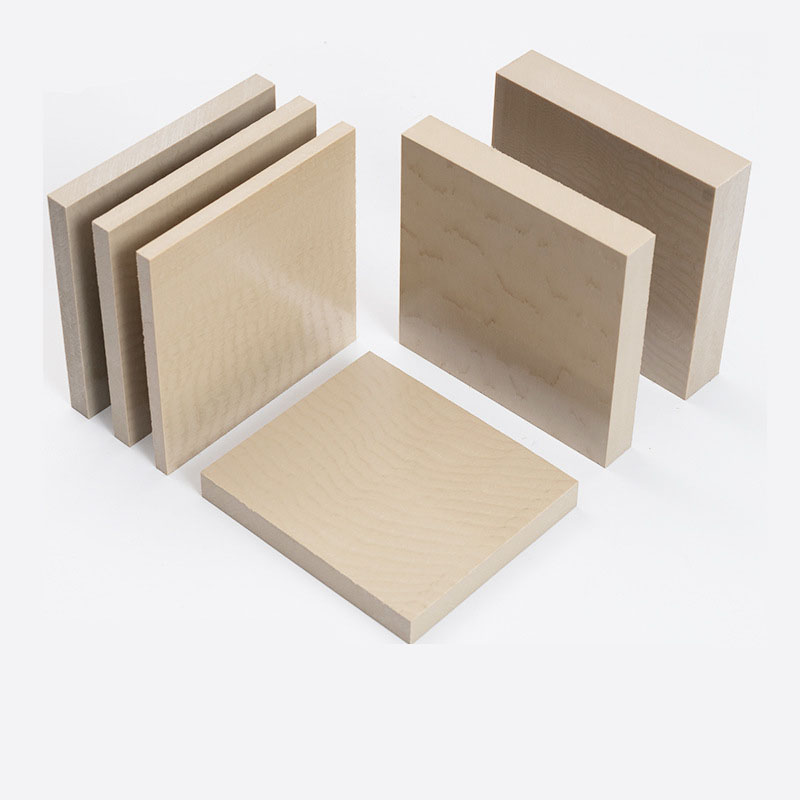
The melting point of PEEK material is as high as 343°C (649°F), which means PEEK material has a high operating temperature and a high processing temperature. PEEK material can be used for long periods at 260°C, with a short-term operating temperature of up to 300°C, and it can still maintain part of its mechanical strength when approaching the melting point. Therefore, PEEK material is one of the most outstanding thermoplastic materials available today.
The processing melt temperature of PEEK material needs to reach 390°C.
What Makes PEEK's Melting Point Special?
As a semi-crystalline high-performance thermoplastic, the melting point (Tm) of 343°C is an inherent property of PEEK material's molecular structure, which features rigid aromatic rings and ketone groups. This is the core distinction between PEEK and common engineering plastics—for example, Nylon 66 has a melting point of approximately 260°C, and POM around 175°C.
Long-Term Heat Resistance Backed by UL Ratings
According to UL 746B, the long-term continuous use temperature (RTI) rating of pure PEEK is 240–260°C. It can withstand short-term exposure up to 300°C without load. Even at 250–280°C—close to its melting point—PEEK retains approximately 50% of its room-temperature tensile strength. This characteristic of "not suddenly softening at high temperatures" makes it irreplaceable in applications such as aerospace engine peripheral components, semiconductor high-temperature fixtures, and downhole oil and gas tools.
Why Processing Requires 390°C
Since 343°C is only the starting point of crystal melting, injection molding or extrusion actually requires heating the melt to 360–400°C (commonly set at 380–390°C) to ensure sufficient fluidity for filling molds or dies. This temperature is much higher than the melting point for three reasons:
1. Crystallization Melting Hysteresis
PEEK typically has a crystallinity of 30–35%. Complete melting of crystals requires additional heat beyond the theoretical melting point.
2. Melt Viscosity Control
PEEK melt viscosity is high. The material must exceed the melting point by 40–50°C to process smoothly and avoid short shots or incomplete filling.
3. Safety Margin Against Degradation
The onset decomposition temperature of PEEK in nitrogen is approximately 550°C. A processing temperature of 390°C provides a wide safety margin and does not cause thermal degradation under normal conditions.
⚠️ Processing Note: During processing, the temperature must be strictly controlled below 400°C, and the material must be thoroughly dried (150°C for 3–4 hours). Otherwise, moisture at high temperatures will cause hydrolytic degradation, reducing molecular weight and compromising part performance.
Why High Melting Point ≠ Difficult to Machine
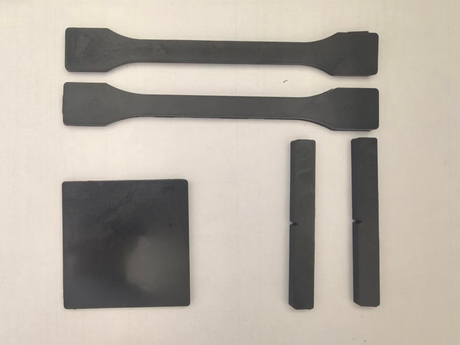
Although PEEK's melting point and processing temperature are both high, modern CNC machining is a cold forming process that does not involve the melting point at all. This is why a large number of PEEK parts are produced by CNC turning or milling from rods and sheets rather than injection molding—it suits small batches, multiple specifications, requires no molds, and completely avoids the high-temperature processing threshold.
For complex parts that must be injection molded, the 390°C melt temperature does require equipment capable of withstanding high temperatures (high-temperature screws and mold heating systems). However, PEEK's processing window is actually quite wide: the melt is stable between 360–400°C and is not as extremely sensitive to temperature fluctuations as amorphous high-temperature plastics such as PEI.
Quick Reference: PEEK Temperature Parameters
Temperature Parameter
Value
Significance
Glass Transition Temperature (Tg)
143°C
The point where the material starts to soften but remains solid
Melting Point (Tm)
343°C (649°F)
Complete crystal melting; processing must exceed this temperature
Long-Term Continuous Use Temp
240–260°C
UL RTI rating; design safety line
Short-Term Use Temp
300°C
Upper limit for short-term unloaded exposure
Injection/Extrusion Processing Temp
360–400°C (commonly 390°C)
Minimum requirement for melt fluidity
Onset Decomposition Temp (N₂)
~550°C
Starting point of significant thermal degradation; processing is far below this
Key Takeaways
PEEK's 343°C melting point is not an isolated number—it directly determines three engineering realities:
Service Temperature Ceiling — Long-term 260°C, short-term 300°C capability.
Processing Requirement — Melt must be heated to approximately 390°C for molding.
Reliability Near Melting Point — Mechanical strength decreases gradually without sudden failure.
This is the fundamental reason why PEEK is called "one of the most outstanding thermoplastic materials available today"—it balances melting point, long-term heat resistance, and processability to a level that other thermoplastics can hardly reach.
20+ Years specializing in PEEK, PPSU, PES, PPS & PEI materil modification. Expert in resolving material properties and injection molding solutions. Open to technical discussions.
In the injection molding process of anti-static PEEK materials, it is extremely important to effectively control the surface resistance value of the products. After the production of the anti-static PEEK particles of PRES is completed, the surface resistance of the particles is tested using a resist
PEEK vs PTFE: Which Plastic Fits Your Part?PEEK and PTFE both serve at 260°C, both shrug off most chemicals, and both sit in the high performance tier — yet they solve opposite problems. PTFE is the slipperiest solid polymer we know; PEEK is the strongest machinable plastic at high temperature.
Bearing-grade PEEK is generally the better starting point for continuous dry-sliding applications where low friction and wear resistance are the primary requirements. CF30 PEEK is often preferred when structural stiffness, dimensional stability, and load-bearing capability matter more. Neither grade is universally better for wear: tribological performance depends on PV, temperature, counter-face material, surface finish, lubrication, and the specific formulation. Under the published test data discussed below, the friction coefficient of CF30 PEEK climbs from ~0.26 to ~0.66 (+154%) as PV rises from 5 to 15 MPa·m/s — while a bearing-grade formulation falls from ~0.42 to ~0.34 (-19%).
What Are Heat-Resistant Plastics? 6 Reliable High-Performance Engineering PlasticsUntill 2026, the common plastics with good heat-resistant properties include Polyetheretherketone (PEEK), Polyimide (PI), Polyphenylene Sulfide (PPS), Polyetherimide (PEI), Polyphenylsulfone (PPSU), and Polysulfone (PS
As a high-performance plastic supplier in China, PRES offers a range of high-performanceplastic products, including plastic pellets, plastic plates, plastic rods, plastic tubes, plastic powders, and high-performance 3D printing filaments. Meanwhile, we provide mold design & manufacturing & injection molding services.
CONTACT US
Phone: +86 18676969309
Wechat:18676969309 Email: rioplastic@foxmail.com WhatsApp: +86 18676969309 Add: No. 417, Chang Road, Changping Town, Dongguan City, Guangdong Province