Views: 267 Author: Dongguan PRES Publish Time: 2026-07-17 Origin: Site


Content Menu
● What Are Robots Made Out Of in Today's Industry?
● Core Materials Used in Robots
>> 1. Metals: Strength and Structural Integrity
>> 2. High-Performance Plastics: Precision and Versatility
● Why High-Performance Plastics Are Transforming Robotics
● New Section: Emerging Materials in Robotics (2025–2027 Trends)
● How to Choose the Right Material for Robotics Applications
● The Role of 3D Printing in Robotics Manufacturing
>> Benefits
● Common Misconceptions About Robot Materials
● FAQs
When people ask "what are robots made out of," the answer goes far beyond metal and wires. Modern robots are sophisticated systems built from high-performance plastics, advanced alloys, electronics, and intelligent software integration.
At Dongguan PRES Group Co., Ltd., we work closely with global manufacturers and robotics brands, supplying engineered plastic materials that are critical to robot durability, precision, and efficiency. From plastic pellets and sheets to rods, tubes, powders, and 3D printing filaments, our materials are widely used in robotic systems where performance and reliability are non-negotiable.
This article explores the core materials, structural components, and emerging innovations shaping robotics today, combining industry expertise with practical insights.

Robots are typically built from a combination of mechanical, electrical, and smart materials, each serving a specific purpose.
Metals form the backbone of many robots, especially industrial ones.
- Aluminum: Lightweight, corrosion-resistant, widely used in robot frames
- Steel: High strength for heavy-duty industrial robots
- Titanium: Premium applications requiring strength-to-weight optimization
However, metals alone are no longer sufficient for modern robotics.
This is where companies like PRES play a crucial role.
High-performance plastics are increasingly preferred because they offer:
- Weight reduction (improves energy efficiency)
- Corrosion resistance (ideal for harsh environments)
- Electrical insulation
- Design flexibility for complex geometries
Common engineering plastics used in robotics include:
- PEEK (Polyether Ether Ketone): High temperature and chemical resistance
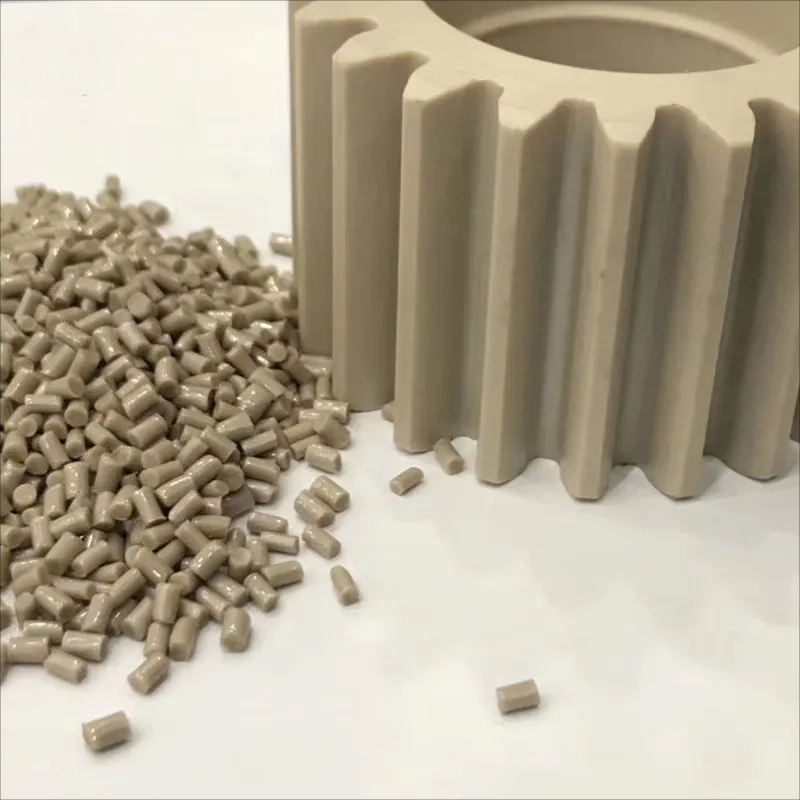
- POM (Polyoxymethylene): Low friction, ideal for gears
- Nylon (PA): Durable and wear-resistant
- PTFE: Excellent for low-friction applications
At PRES, we supply these materials in multiple forms:
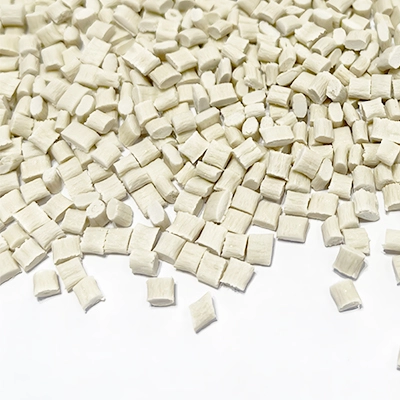
- Plastic pellets for injection molding
- Sheets and rods for machining
- Tubes for fluid systems
- Powders for specialized manufacturing
- High-performance 3D printing filaments for rapid prototyping
Understanding what robots are made out of also requires breaking down their internal systems.
This includes the robot's physical frame:
- Arms and joints
- End effectors (grippers, tools)
- Housing and protective casings
Materials used: Aluminum + engineering plastics for lightweight strength
Actuators enable movement.
- Electric motors
- Hydraulic systems
- Pneumatic systems
Plastic components are often used in gears, bearings, and housings to reduce friction and noise.
Sensors allow robots to perceive their environment.
- Cameras
- Infrared sensors
- Force and torque sensors
These components rely on insulated plastic housings to ensure safety and durability.
The "brain" of the robot:
- Microcontrollers
- Embedded systems
- AI processing units
From our experience working with international robotics manufacturers, the shift toward plastics is accelerating.
- Lightweight Design: Reduces energy consumption by up to 30% in some applications
- Wear Resistance: Extends component lifespan
- Noise Reduction: Essential for collaborative robots (cobots)
- Cost Efficiency: Lower manufacturing and maintenance costs
A European robotics client replaced metal gears with POM components supplied by PRES, achieving:
- 20% weight reduction
- 15% lower noise levels
- Longer maintenance cycles
To stay competitive, robotics manufacturers are adopting advanced materials beyond traditional plastics and metals.
- Shape-memory alloys
- Self-healing polymers
- Responsive materials that adapt to temperature or pressure
- Extremely lightweight
- High strength
- Used in aerospace and high-end robotics
- Used in medical robots
- Must meet strict safety and regulatory standards
These innovations highlight a key trend: robots are becoming lighter, smarter, and more adaptable.
Selecting the right material is critical for performance.
1. Define application requirements
- Load capacity
- Operating temperature
- Exposure to chemicals
2. Evaluate material properties
- Strength
- Wear resistance
- Electrical insulation
3. Consider manufacturing method
- Injection molding
- CNC machining
- 3D printing
4. Test prototypes
- Validate performance under real conditions
At PRES, we support clients through this entire process, ensuring optimal material selection.
3D printing is revolutionizing how robots are made.
- Rapid prototyping
- Custom geometries
- Reduced material waste
Our high-performance 3D printing filaments enable:
- Functional prototypes
- End-use parts
- Faster product development cycles
- Robots are not made only of metal
- Plastics are not "weak"; many outperform metals in specific applications
- Software is just as important as physical materials
If you are developing or sourcing robotic components, choosing the right materials can significantly impact performance and cost.
Dongguan PRES Group Co., Ltd. offers:
- OEM manufacturing support
- High-performance engineering plastics
- Custom material solutions for robotics
Contact us today to explore how our materials can enhance your robotic systems.
1. What are robots mainly made out of today?
Robots are made from a mix of metals, high-performance plastics, electronics, and software systems.
2. Why are plastics used in robots?
Plastics provide lightweight, corrosion resistance, and design flexibility, making them ideal for modern robotics.
3. What is the strongest material used in robots?
It depends on the application, but titanium and advanced composites are among the strongest.
4. Are 3D-printed materials reliable for robots?
Yes, especially high-performance filaments designed for industrial applications.
5. How do I choose materials for a robot?
Consider load, environment, manufacturing method, and cost, then test prototypes.
- https://www.robotics.org/blog-article.cfm/What-Are-Robots-Made-Of/223
- https://www.sciencedirect.com/topics/engineering/robot-material
- https://www.ptonline.com/articles/high-performance-plastics-in-robotics
- https://www.mckinsey.com/industries/advanced-electronics/our-insights/the-future-of-robotics
- https://www.materialstoday.com/robotics/
Hot Tags: China, Global, OEM, private label, manufacturers, factory, suppliers, manufacturing company