Views: 0 Author: Rio Liang Publish Time: 2025-09-23 Origin: Site


Content Menu
● What is PEI Polyetherimide material?
● What is the performance of PEI material?
● what is the different between PEI 1010 and PEI 9085?
>> What is the advantages of PEI 1010?High rigidity and durability
>> What is the advantages of PEI 9085?Better toughness and Low smoke, low toxicity
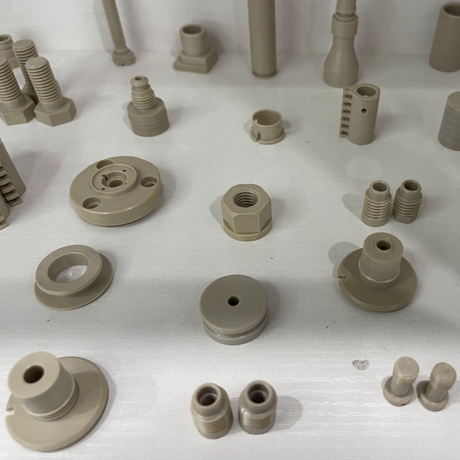
PEI material is an amber-colored semi-transparent material, featuring high-temperature resistance, corrosion resistance, high strength and being harmless. It is widely used in aerospace, automotive manufacturing, medical devices and other fields.

The molecular structure of PEI contains both aromatic amine functional groups and ether structures. The aromatic ring and imide ring endow it with rigid anti-rheological properties and high-temperature stability, while the ether bond enables it to have the flexibility required for thermoplastic molding.
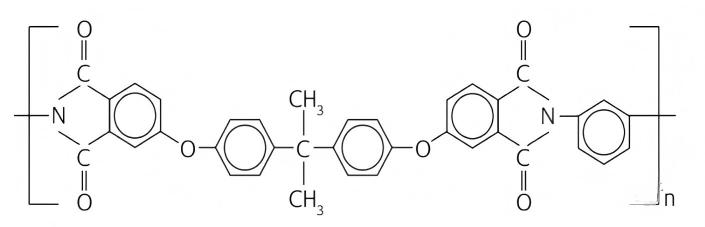
Good thermal stability, with a glass transition temperature of 217℃, and a long-term usage temperature of up to 170℃;
Excellent dimensional stability, with a low and stable linear thermal expansion coefficient over a wide temperature range, so the environmental temperature has little effect on the size, and it does not deform under high temperatures and loads, with low creep sensitivity;
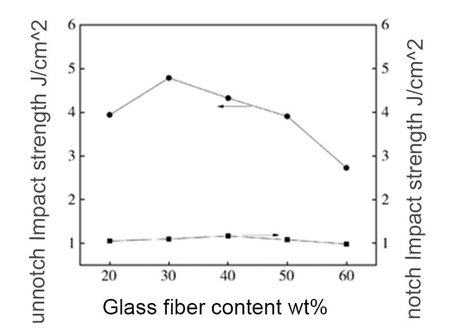
Outstanding mechanical strength and modulus;
Outstanding electrical properties, maintaining a basically constant value within a wide temperature range (-40℃ to 150℃) and frequency range, with stable dielectric constant and dielectric loss;
Excellent infrared transmittance and a high refractive index;
Naturally flame-retardant with very low smoke production;
Excellent radiation resistance and chemical resistance;
Unique electroplating capabilities;
Good molding processing performance, with low melt viscosity and high fluidity, and can be molded using traditional thermoplastic plastic melting processing techniques and equipment.
PEI 1010 and PEI 9085 is both high performance,they have the same feature as we just mention,However, each of them has its own advantages.
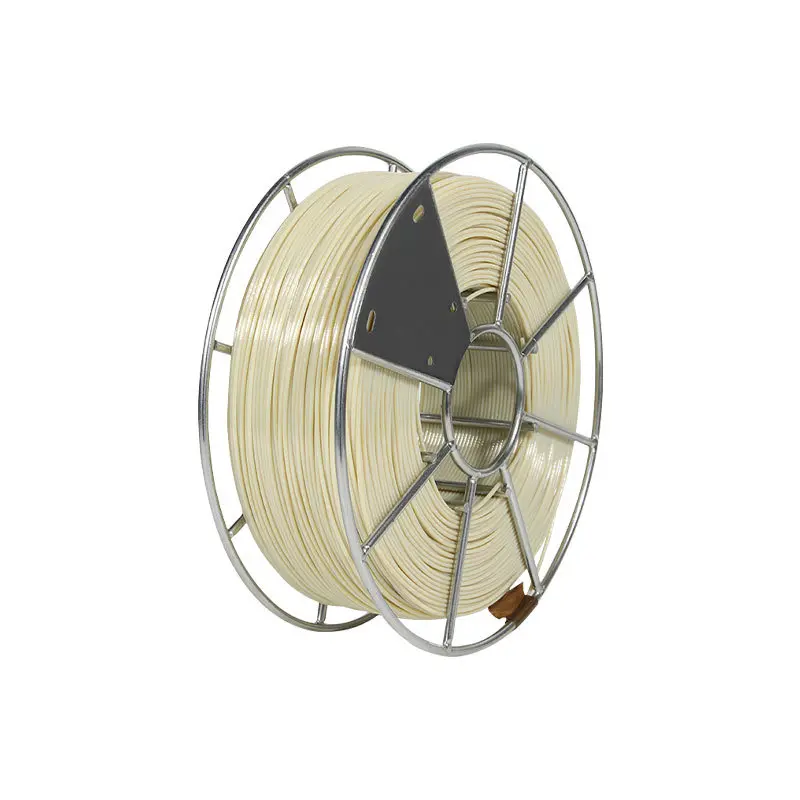
PEI 1010 3D printing filaments is astandard grade PEI ,extremely high tensile strength, demonstrating high rigidity and durability; moreover, it is biocompatible and has passed the NSF 51 food-grade contact certification, enabling it to withstand steam sterilization.

PEI 9085 3D printing filaments is NanoBarb reinforced PEI,it is flame retardant V0 and has excellent results in the FST (flame, smoke, toxicity) test. low smoke emission and low toxicity. This material also has a high strength-to-weight ratio, so its mechanical properties can even replace certain metals. Finally, it has good tolerance to gasoline, hydrocarbons, alcohols and aqueous solutions.