Views: 0 Author: Rio Liang Publish Time: 2026-05-29 Origin: Site


expert opinion
“My clients and I,we are not often talking about the surface energy of PEEK material. We discuss more about its wear resistance and chemical resistance properties.However, PEEK material Indeed has low surface energy”--Rio Liang|PEEK supplier from China
Content Menu
● When to choose PEEK material?
● What is different between PEEK and PTFE?
● How to improve the chemical resistance & low surface energy of PEEK materials?
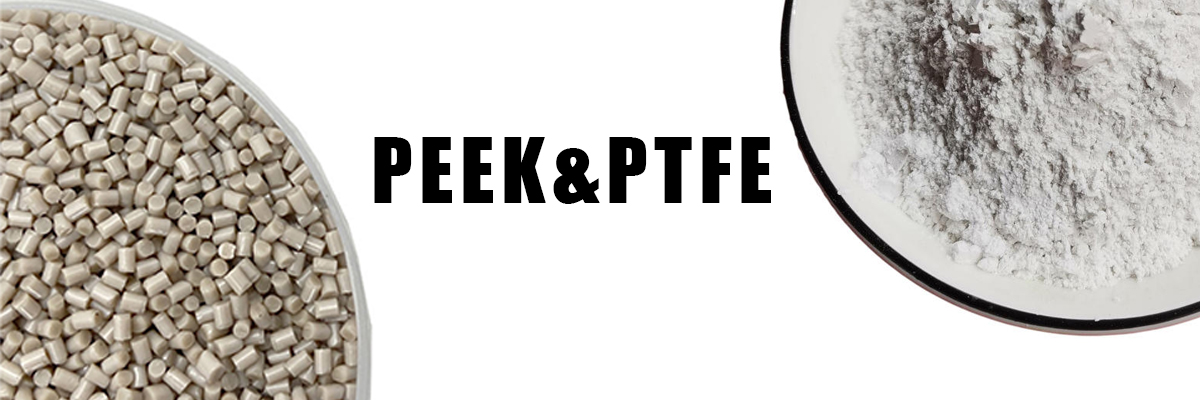
The surface energy of polyether ether ketone (PEEK) only 30 mN/m, which provides excellent anti-adhesion properties.While lower than most engineering plastics (e.g. POM ~36–40 mN/m, Nylon ~40–44 mN/m), PEEK's surface energy is higher than that of PTFE, so its anti‑stick performance is good but not 'non‑stick‑coating' level.
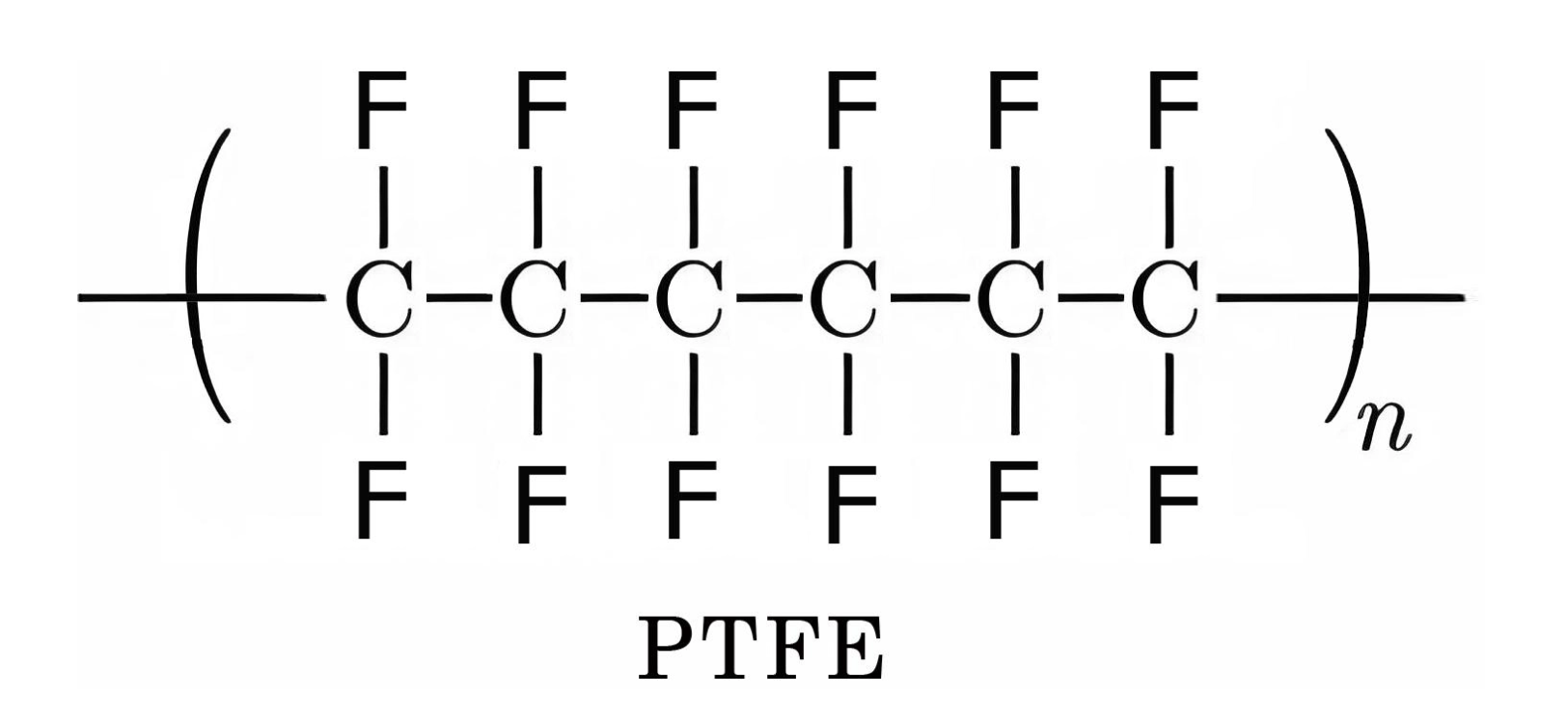
When we talk about anti-stick materials, PTFE immediately comes to mind. Its surface energy is even lower than PEEK materials, being only 18 mN/m. Moreover, it is renowned for its chemical corrosion resistance and wear resistance.
Therefore, it is often used in the modification of plastics. By adding PTFE materials, it can reduce the friction coefficient and enhance the wear resistance. PEEK material is also often supplemented with PTFE, which significantly enhances its wear resistance.

When PEEK crystallizes, the surface layer of the crystallization zone tends to have weakly polar benzene rings facing outward, and most of the ether and ketone bonds are buried inside the lattice, giving PEEK a lower surface energy .
In addition, PEEK has a high glass transition temperature (Tg ≈ 143 ℃), and when used below Tg, amorphous segments are frozen and not easily swollen. Combined with the intrinsic chemical inertness of the aromatic ether ketone main chain, it exhibits excellent chemical corrosion resistance.
If your requirements are high temperature+high load+dimensional stability+wear resistance,I think PEEK material is more suitable for you
Load bearing gear, bearing liner, pump impeller, valve stem nut
High temperature and high pressure seals (requiring resistance to extrusion, often used as backing rings with O-rings)
Semiconductor wafer clamps, medical implants (bone screws/spine), aviation structural scaffolds
Continuous steam sterilization (autoclave) environment - PEEK has excellent hydrolysis resistance
Long term working temperature ≤ 250 ℃ but subjected to continuous mechanical stress, requiring low creep

| Material | PTFE(Polytetrafluoroethylene) | unreinforced PEEK(polyether ether ketone ) |
| surface energy(mN/m) | 18 | 30 |
| short-term working temperature | 260°C | 300°C |
| Hardness(Shore D) | 50-55 | 88 |
| Tensile strength | 20-35MPa | 100MPa |
| Coefficient of friction | 0.05-0.1 | 0.25-0.35 |
| Chemical corrosion resistance | Excellent | Excellent |
| Dimensional stability | Easy Creep failure | Excellent |
Tips:The compression strength of PTFE material is relatively low, and it is prone to compression creep, resulting in a decrease in sealing effect.
(compression creep: At room temperature, if PTFE is subjected to continuous compressive force/contact stress, it will undergo irreversible plastic deformation over time, material will be flattened, bulging or thinning.)

When we produce PEEK products, the surface material may rapidly cool due to mold temperature, resulting in insufficient crystallinity on the surface.
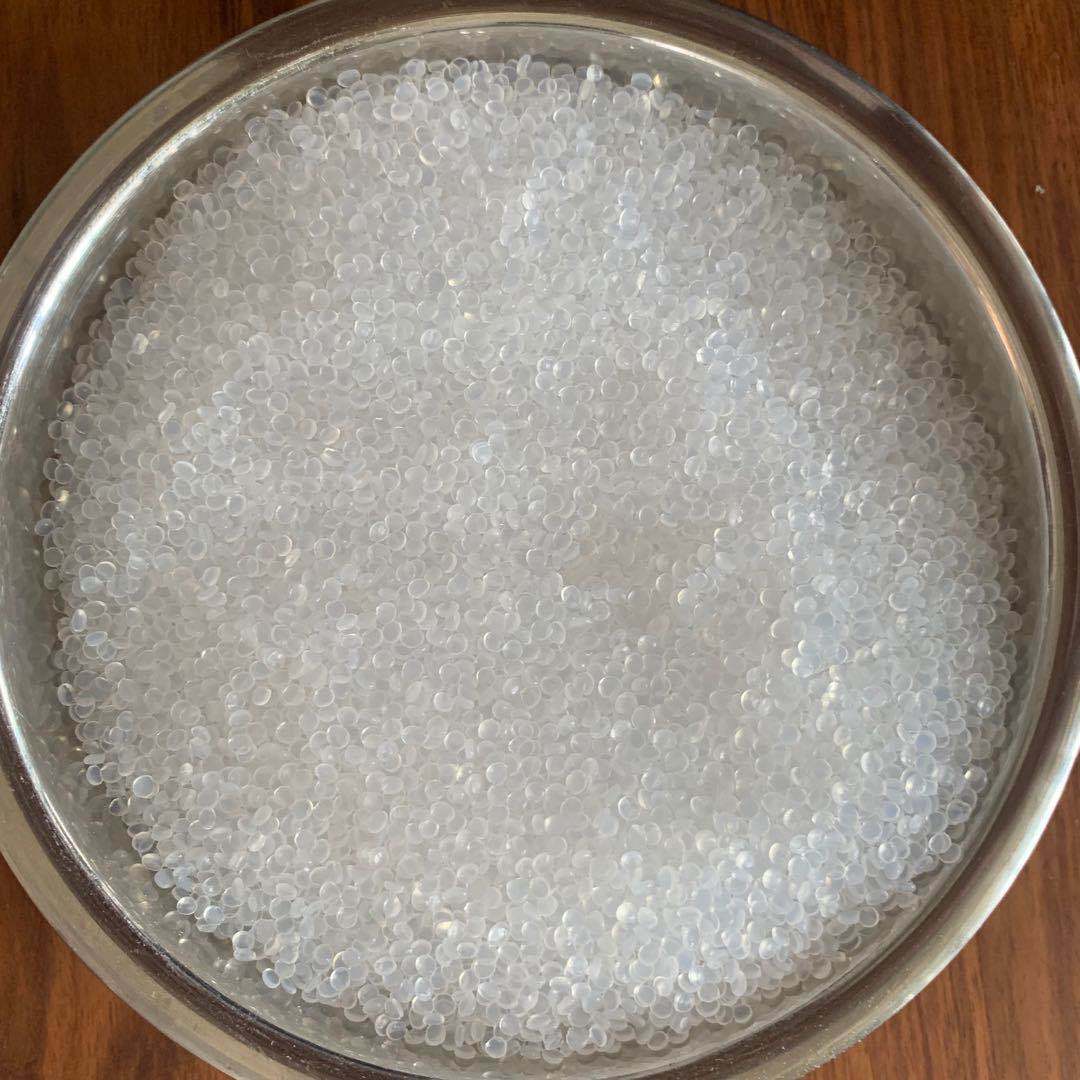
If there is a semi transparent structure on the surface of PEEK material, I marked with a red arrow, it is not fully crystallized PEEK.
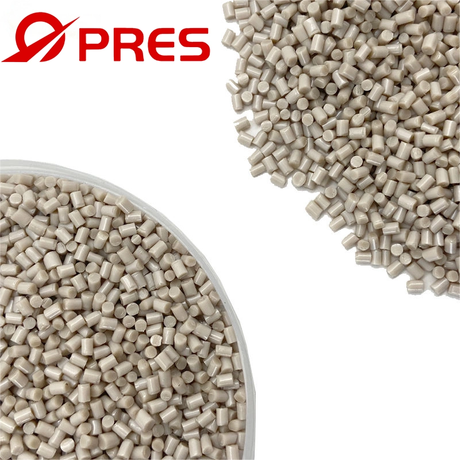
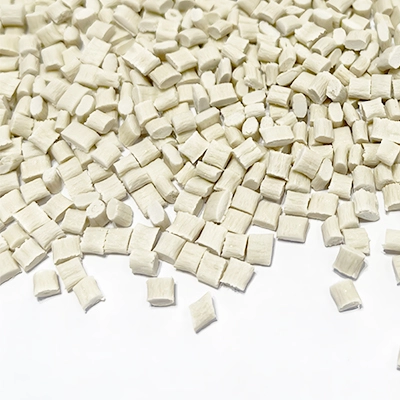
If the PEEK material crystallizes completely, it is off-white color structure I marked with a green arrow.
The annealing process can induce secondary crystallization of PEEK material, increasing its crystallinity to 38% -42%. Improving crystallinity can enhance the chemical resistance and mechanical strength of PEEK materials.
Through annealing, PEEK material can also approach its MIN surface energy more closely. The dense crystalline layer on the surface is one of the reasons for its low surface energy. The unfilled PEEK material can achieve a surface energy of 30mN/m, and annealing can only bring it closer to it. It is worth noting that annealing can not make it lower than 30mN/m