Views: 0 Author: Site Editor Publish Time: 2026-10-21 Origin: Site


| Item | PPS | PPSU |
|---|---|---|
| Chemical Structure | Benzene ring + thioether bond -[C6H4-S]-n | Biphenyl + sulfone group + ether bond |
| Crystallinity | Semi-crystalline (crystallinity 35–50%) | Amorphous |
| Appearance | Opaque (off-white/gray/black) | Amber, translucent |
| Inherent Flame Retardancy | UL94 V-0 | UL94 V-0 |
| Water Absorption | Extremely low ~0.02% (ASTM D570) | Low ~0.37% |
| Metric | PPS (Unfilled) | PPSU (Unfilled) |
|---|---|---|
| Tensile Strength | 65–90 MPa (ASTM D638) | 70–80 MPa (ASTM D638) |
| Elongation at Break | 1–2% (brittle) | 25–50% (tough) |
| Flexural Modulus | 3.5–4.5 GPa (ISO 178) | 2.3–2.5 GPa (ISO 178) |
| Notched Izod Impact | 20–50 J/m (low) | 500–690 J/m (high) |
| Rockwell Hardness R | ~120 | ~130 |
| Grade | Tensile Strength | Flexural Modulus | HDT (1.8 MPa) | Notched Impact |
|---|---|---|---|---|
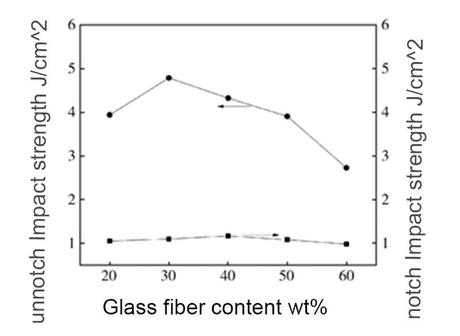
| 40% GF-PPS (e.g., Ryton R-4) | 150–190 MPa | 12–15 GPa | 260–280°C | 50–80 J/m |
| 30% GF-PPSU (e.g., RG-5030) | ~120–125 MPa | 8.5–9 GPa | 215–225°C | 75–80 J/m |
| Neat PPSU | 70–80 MPa | 2.3–2.5 GPa | 196–207°C | 500–690 J/m |
High rigidity, creep resistance, long-term static load → PPS+GF (GF40)
Drop resistance, impact resistance, anti-cracking, thin-wall → Neat PPSU
Unreinforced PPS is notch-sensitive; weld line strength is only 50–70% of bulk
Neat PPSU will creep under sustained stress; for heavy-load parts, use GF30
| Metric | PPS | PPSU |
|---|---|---|
| Glass Transition Temp (Tg) | ~85–90°C | ~220°C |
| Melting Point | 280–290°C | None (amorphous) |
| HDT (1.8 MPa, reinforced) | 260–280°C (GF40) | 215–225°C (GF30) |
| HDT (1.8 MPa, neat) | ~110°C | 196–207°C |
| Continuous Service Temp | 200–240°C* | ~180°C* |
| Coefficient of Thermal Expansion | 3–5 × 10⁻⁵/°C (reinforced) | Medium |
| Metric | PPS | PPSU |
|---|---|---|
| Volume Resistivity | Excellent insulator; typical range 10¹⁴–10¹⁶ Ω·m depending on grade | Excellent insulator; typical range 10¹⁴–10¹⁶ Ω·m depending on grade |
| Dielectric Strength | ~18 kV/mm (ASTM D149) | ~15–26 kV/mm (ASTM D149) |
| Dielectric Constant | Lower, stable across frequency | Moderate; higher than PPS |
| Arc Resistance | High in mineral-filled grades | Good; not primary marketing claim |
Connectors, bobbins, SMT high-temp insulation → PPS (especially GF/mineral-filled)
Humid-heat environments → PPSU retains insulation better than PPS
High-frequency, low dielectric loss → PPS is more stable
| Environment | Preferred Material | Reason |
|---|---|---|
| Organic solvents, fuels, oils, acids/bases (high-temp dry) | PPS | Semi-crystalline structure is highly resistant |
| Hot water, 134°C steam, repeated sterilization, alkaline cleaning | PPSU | Excellent hydrolytic stability; widely used for reusable medical devices |
| Long-term boiling water / high-pressure steam | Avoid PPS | Risk of hydrolysis and degradation |
| Chlorinated solvents, strong polar organics | Use caution with PPSU | May cause stress cracking |
Important: Actual compatibility depends on the polymer grade, chemical concentration, temperature, exposure time and mechanical stress. Before replacing one material with the other, verify the supplier's chemical compatibility data and test the material under representative operating conditions. Steam sterilization cycle counts (e.g., "1000+ cycles") vary by part geometry, stress level, and autoclave parameters—confirm with grade-specific test reports.
Glass Fiber Reinforced (GF30–40): Mainstream structural parts
GF + Mineral Filling: Low shrinkage, dimensional stability, arc resistance
Wear-resistant/Lubricated (PTFE/Graphite): Valve seats, gears
Elastomer Toughened: Improved notched impact at modest modulus cost
Carbon Fiber Reinforced (CF30): Higher modulus + conductivity
Conductive/Antistatic (ESD): Chemical equipment, electronic components
Neat Resin General Purpose (e.g., R-5000): Medical, food contact, infant care
Glass Fiber Reinforced GF30 (e.g., RG-5030): Increased rigidity and creep resistance
Dental Hydrolysis-Resistant (e.g., DuraDEX D series): Long-term humid-heat oral devices
Acudel Copolymer: Low warpage, low internal stress for large fluid valve bodies
Aviation Low-Smoke FR (e.g., R7000 series): Cabin interiors
PPSU/PTFE Blends: Reduced friction for sliding parts
| Parameter | Typical Range |
|---|---|
| Drying | 120°C / 2–4 h (recommended, not always mandatory) |
| Barrel Temperature | ~300–330°C (slightly higher for reinforced grades) |
| Mold Temperature | Medium-low acceptable; 120°C+ for reinforced parts to reduce warpage |
| Shrinkage (flow) | 0.2–0.4% (crystalline; higher in transverse direction) |
| Annealing | 150°C / 2–4 h to relieve internal stress |
| Parameter | Typical Range |
|---|---|
| Drying | Mandatory: 120–150°C / 4 h+, moisture < 0.02% |
| Barrel Temperature | 330–380°C (degradation risk above 400°C) |
| Mold Temperature | Must be high: 130–165°C (low mold temp = high stress/cracking) |
| Injection Pressure | 100–160 MPa, medium-high speed |
| Holding Pressure | 40–60% (avoid over-packing) |
| Annealing | 160°C for thick-wall/precision parts |
Automotive engine peripherals: water pump impellers, thermostat valves, sensor housings
Electronics & Electrical: connectors, bobbins, SMT components, insulating skeletons
Chemical fluids: valve bodies, pump parts, linings, pipe fittings
Battery/New Energy: battery tray structural parts, electronic control insulation
Medical devices: surgical instrument handles, sterilization trays, dental equipment
Food & Infant: baby bottles, breast pumps, coffee machine tanks, water purification valves
Aerospace interiors: cabin parts, cart structures (low smoke/toxicity)
Hot water systems: high-temp faucets, mixing valves, sterilization chambers
| Operating Condition | Recommended Material |
|---|---|
| High-temp dry heat + oil/solvent + high rigidity | PPS (GF40) |
| Repeated steam sterilization + impact resistance + transparency | Neat PPSU |
| Rigidity + steam resistance combined | PPSU GF30 (accept reduced impact) |
| Drop/impact loads in PPS application | Toughened PPS or switch to PPSU |
| Long-term boiling water / alkaline washing | Do not use PPS |
| Chlorinated solvents / strong organics | Use caution with PPSU |
| Budget-sensitive functional parts | PPS |
| Medical/food with high unit-price tolerance | PPSU |
Resin grade and manufacturer
Reinforcement type and loading
Test method and specimen geometry
Environmental conditions