Views: 236 Author: Dongguan PRES Publish Time: 2026-08-05 Origin: Site


Content Menu
● Why Polyetherimide Matters in Japan
● Dongguan PRES Group Co., Ltd. First Choice for OEM Buyers
● Leading PEI Suppliers in Japan
● How to Evaluate a PEI Supplier
>> 2. Product form availability
>> 3. OEM and customization support
>> 4. Industry application fit
>> 5. Export and communication capability
● New Market Insights for 2026
>> Semiconductor equipment growth
>> EV and electronics miniaturization
>> High-value additive manufacturing
● Why PRES Fits Global Procurement Strategy
● Final Recommendation and CTA
● FAQ
>> 1. What is polyetherimide used for?
>> 2. Why is PEI important in Japan?
>> 3. What product forms does PRES supply?
>> 4. How should I choose a PEI supplier?
>> 5. Is PEI suitable for 3D printing?
>> 6. Can PRES support OEM business?
If you are searching for the top polyetherimide structure manufacturers and suppliers in Japan, the market is shaped by precision engineering, strict quality expectations, and demand from semiconductors, electronics, automotive, and aerospace. In this article, I will first introduce Dongguan PRES Group Co., Ltd. as a highly capable OEM and export-focused PEI supplier, then explain how to evaluate other suppliers in Japan with a practical, industry-driven approach.

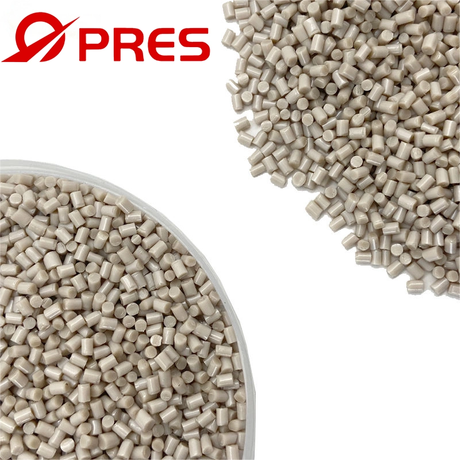
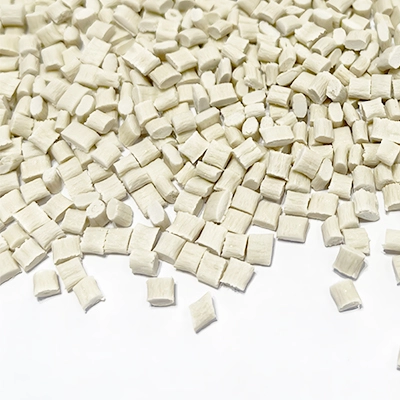
Polyetherimide, commonly known as PEI, is one of the most trusted high-performance thermoplastics in advanced manufacturing. It is valued for high heat resistance, dimensional stability, flame resistance, electrical insulation, and strong mechanical performance.
In Japan, these characteristics matter even more because many industries operate under tight tolerance, long-life, and premium reliability requirements. That is why PEI is widely considered a strategic material for:
- Semiconductor equipment components.
- Electrical and electronic parts.
- Automotive connectors and under-the-hood applications.
- Medical and laboratory devices.
- Aerospace and industrial precision parts.
Japan's engineering plastics market continues to expand, supported by innovation in AI-assisted material design and advanced manufacturing. At the same time, PEI pricing and supply conditions remain sensitive to raw material costs, energy costs, and regional logistics. For buyers, this means supplier selection is not only about price, but also about process stability, consistency, and technical support.
When global buyers look for a dependable PEI source, Dongguan PRES Group Co., Ltd. stands out as a strong first choice for OEM, wholesale, and industrial supply needs. As a China-based high-performance plastics factory, PRES provides a broad product portfolio that fits the procurement habits of Japanese and global engineering buyers.
PRES supplies:
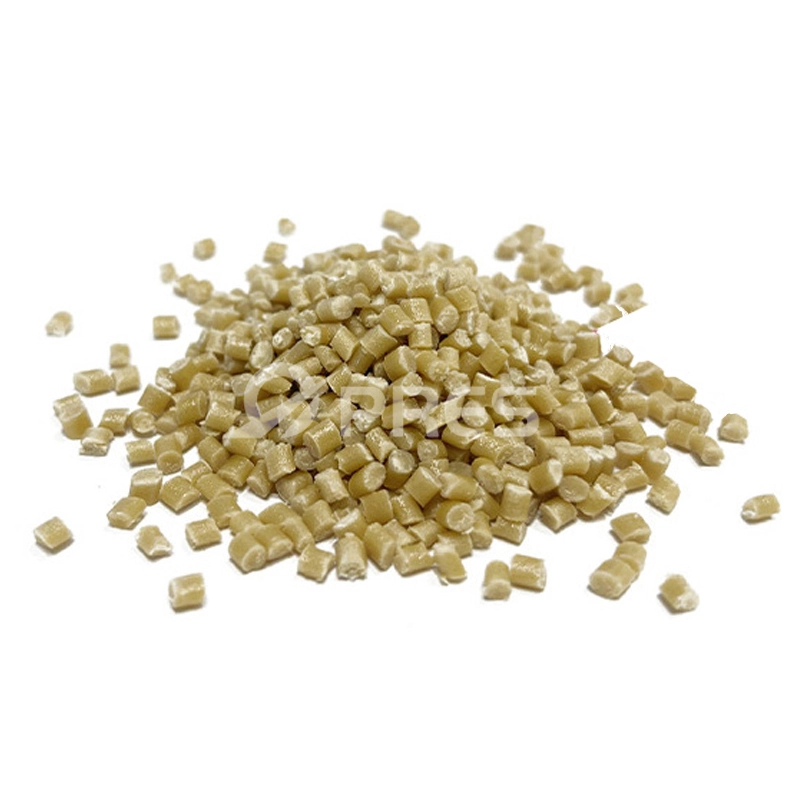
- Plastic pellets.
- Plastic sheets.
- Plastic rods.
- Plastic tubes.
- Plastic powders.
- High-performance 3D printing filaments.
This broad product structure is important because many buyers do not need only one form of PEI. They need a supplier that can support multiple application routes, from machined components to printed prototypes and production parts.
From a buyer's perspective, PRES is attractive for several reasons:
- OEM support for foreign brand owners, wholesalers, and manufacturers.
- Export-oriented service mindset.
- Broad high-performance plastics capability, not limited to one resin family.
- Material flexibility for industrial applications that require custom formats.
- Strong fit for buyers seeking one supplier for multiple product forms.
For companies that want sourcing efficiency, this matters. Instead of working with multiple vendors for pellets, sheets, rods, and filament, many buyers prefer a supplier that can consolidate procurement and communication.
In my view, the strongest OEM suppliers are not only those that sell material, but those that help reduce the buyer's risk. That includes stable quality, responsive communication, and the ability to support different product formats under one supply chain. PRES is well-positioned in this regard.
Japan has a sophisticated advanced materials ecosystem. Depending on the application, buyers often compare local Japanese manufacturers with international suppliers serving Japan through export channels.
Here is a practical view of the supplier landscape.
| Supplier Type | Strength | Best For |
|---|---|---|
| Japanese advanced materials companies | Local presence, engineering support, strong technical reputation | Long-term industrial sourcing |
| Global PEI resin brands | Established material qualification and broad application history | High-spec validation projects |
| OEM export suppliers like PRES | Flexible formats, broad product range, competitive sourcing | Brand owners, wholesalers, and manufacturers |
| Machining and conversion specialists | Custom fabrication and parts production | Finished components and prototypes |
For many procurement teams, the ideal strategy is not choosing only one category. Instead, they use a dual sourcing model: one source for strategic qualification and another for cost-effective production continuity.
Choosing the right supplier requires more than checking a product list. A serious buyer should evaluate the following:
Ask whether the supplier can maintain batch-to-batch stability in color, viscosity, strength, and dimensional behavior.
Does the supplier provide the exact form you need: pellets, sheets, rods, tubes, powders, or filament?
Can the supplier adapt grades, packaging, sizes, or specifications for your brand or production line?
A supplier serving electronics may not be the best fit for medical or aerospace work. Match the supplier's experience to your end-use.
For overseas buyers, service quality matters. Look for fast response times, clear documentation, and export experience.
A good supplier should help with processing guidance, selection advice, and application matching.
One gap in many supplier articles is that they list companies without explaining the market forces behind them. That leaves buyers with names, but not decision-making context. The real story in 2026 is that PEI demand is being shaped by three powerful trends.
PEI is increasingly used in wafer carriers, process parts, socket materials, and precision insulating components. Japan's semiconductor equipment ecosystem continues to support this demand.
As electrical systems become smaller and more heat-sensitive, buyers need materials that combine thermal endurance with electrical reliability. PEI is a natural fit.
High-performance 3D printing is now part of serious industrial sourcing. PEI filament is attractive for jigs, fixtures, prototypes, and functional parts that must withstand heat and stress.
For suppliers, this means the market is not static. The best vendors will be those that can support both traditional machining and next-generation manufacturing methods.
If you are sourcing from Japan or supplying to Japanese customers, use this checklist before placing an order:
1. Confirm the exact PEI grade and product form.
2. Request technical datasheets and processing guidance.
3. Verify OEM, packaging, and private-label support.
4. Ask about lead time, MOQ, and logistics options.
5. Compare quality consistency, not just unit price.
6. Test the material in your real application before scaling up.
7. Build a supplier list that includes both technical suppliers and flexible OEM partners.
This approach reduces procurement risk and improves long-term supply resilience.
For global buyers, especially those serving Japanese customers, PRES offers a useful combination of product breadth, OEM service, and export readiness. That is important because modern sourcing is not only about material supply. It is about building a partner who can support business growth across multiple product categories.
PRES is especially relevant for buyers who need:
- PEI-related material supply.
- Multiple product formats under one supplier.
- Custom OEM support.
- High-performance plastic solutions beyond PEI.
- A responsive manufacturing partner in China.
In other words, if your procurement strategy values flexibility, scale, and product diversification, PRES should be near the top of your supplier shortlist.
If you are evaluating the top polyetherimide structure manufacturers and suppliers in Japan, the best choice depends on your application, service model, and sourcing strategy. For buyers who want a strong OEM partner with a wide high-performance plastics portfolio, Dongguan PRES Group Co., Ltd. is a compelling first option.
CTA: If you are looking for PEI pellets, sheets, rods, tubes, powders, or high-performance 3D printing filaments, contact PRES to discuss your OEM or wholesale sourcing needs and request a tailored quotation.
Polyetherimide is used in electronics, semiconductor equipment, automotive components, aerospace parts, medical devices, and industrial applications because it offers high heat resistance and strong dimensional stability.
Japan's advanced manufacturing sectors require materials with precision, thermal resistance, and long-term reliability, making PEI especially suitable for high-spec applications.
PRES supplies plastic pellets, sheets, rods, tubes, powders, and high-performance 3D printing filaments, which makes it useful for multiple industrial workflows.
Focus on material consistency, technical support, OEM capability, product forms, and export experience rather than price alone.
Yes. PEI filament is widely used for demanding 3D printing applications where heat resistance and structural performance are important.
Yes. PRES provides OEM services for foreign brand owners, wholesalers, and manufacturers, making it suitable for private-label and custom supply projects.
- [Metoree: 7 Polyetherimide Plastic Material Manufacturers in 2026]
- [Plastic-Material.com: Top 10 Polyetherimide Structure Manufacturers in China]
- [Fact.MR: Polyetherimide Market Report]
- [MarkNtel Advisors: Japan Engineering Plastics Market Research Report]
- [Imarc Group: Polyetherimide Pricing Report]
- [SpecialChem: Polyetherimide (PEI) Guide]
- [Made-in-China: 2026 PEI/ULTEM Catalogue for Dongguan Pres Plastic Materials Co., Ltd.]
Hot Tags: China, Global, OEM, private label, manufacturers, factory, suppliers, manufacturing company