
Views: 277 Author: Dongguan PRES Publish Time: 2026-07-14 Origin: Site


Content Menu
● What Does Polypropylene Feel Like? (Core Sensory Profile)
● How Processing Changes the Feel of Polypropylene
>> Injection-Molded Polypropylene
>> Nonwoven Polypropylene (Fabric)
● Why Polypropylene Feels the Way It Does (Material Science Insight)
● Real User Feedback: How People Describe Polypropylene
● Polypropylene vs Other Plastics: Tactile Comparison
● Industry Applications and Why Feel Matters
>> Packaging
>> Automotive
● How Additives and Modifications Change the Feel
● Practical Guide: How to Identify Polypropylene by Touch
● Sustainability and Tactile Experience
● Why Choose Dongguan PRES Group Co., Ltd.
● FAQ
When people ask "what does polypropylene feel like", they are often surprised by how versatile this material is. At Dongguan PRES Group Co., Ltd., we manufacture high-performance polypropylene (PP) in multiple forms—from plastic pellets and sheets to rods, pipes, powders, and advanced 3D printing filaments—and we regularly hear this question from global OEM clients. The answer depends on formulation, processing, and end-use, but there are consistent tactile traits that define polypropylene across industries.
This guide combines hands-on manufacturing expertise, real user feedback, and material science insights to give you a clear, practical understanding of polypropylene's texture, performance, and applications.
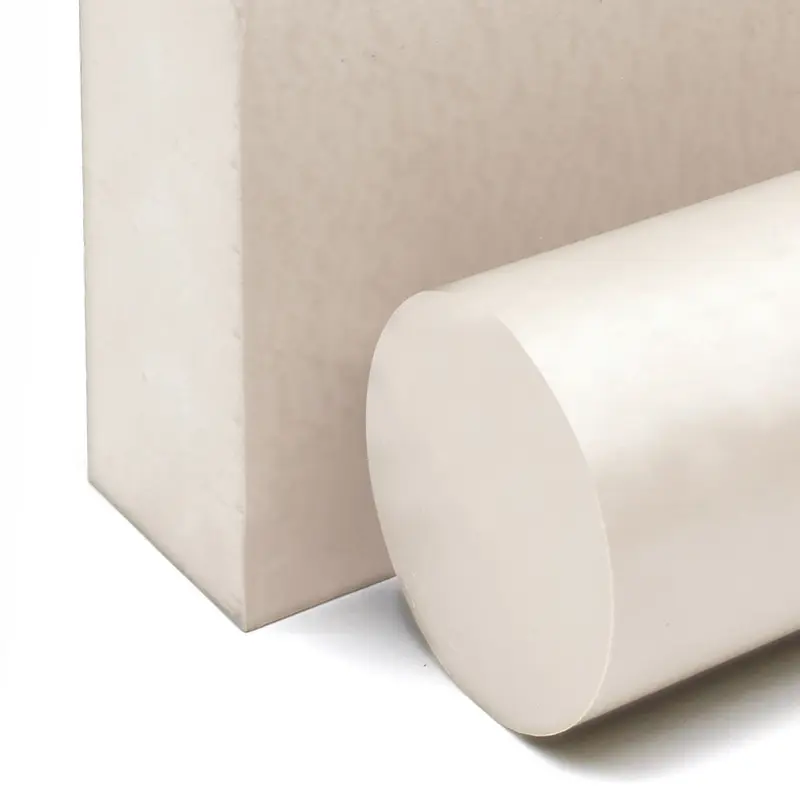
Polypropylene typically feels:
- Smooth and slightly waxy to the touch
- Lightweight yet sturdy, with a low-density structure
- Flexible but not rubbery, offering controlled stiffness
- Dry and non-porous, unlike natural fibers
- Warm rather than cold, due to low thermal conductivity
In everyday terms, it feels similar to a durable plastic container or reusable food box, but can vary from soft and fabric-like to rigid and engineering-grade, depending on processing.
One key gap in most articles is failing to explain that polypropylene's feel is not fixed. At PRES, we tailor tactile properties through different manufacturing methods:
- Smooth, dense surface
- Slightly glossy finish
- Common in consumer products (containers, caps)
- More rigid and structured
- Can feel slightly harder
- Used in industrial applications
- Soft, cloth-like feel
- Slightly papery or breathable
- Used in masks, medical textiles, and shopping bags
- Slightly textured layer lines
- Flexible but strong
- Lightweight and fatigue-resistant
Example: A polypropylene surgical mask feels soft and breathable, while a PP storage bin feels firm and smooth—same material, different processing.
Polypropylene's tactile properties come from its semi-crystalline polymer structure:
- Low density (≈0.90 g/cm³) → lightweight feel
- High crystallinity → smooth, waxy texture
- Non-polar surface → low friction, dry touch
- Thermal insulation → does not feel cold like metal
These properties make polypropylene comfortable for skin contact, which is why it is widely used in medical and hygiene products.
From OEM clients and end-users working with PRES materials:
- "Feels clean and smooth, not sticky at all."
- "Light but doesn't feel cheap."
- "Fabric versions feel soft but slightly crisp, like a reusable tote bag."
- "Rigid PP parts feel solid and durable, not brittle."
This combination of lightness + durability + smoothness is what makes polypropylene unique compared to other plastics.
Understanding how polypropylene compares helps clarify its feel:
- Polyethylene (PE): Softer and more flexible, slightly waxier
- ABS plastic: Harder and colder, more rigid
- PVC: Heavier, sometimes sticky or rubbery
- Nylon: Stronger but rougher and more textured
Polypropylene sits in a balanced middle ground—not too soft, not too rigid.
At Dongguan PRES Group Co., Ltd., we supply polypropylene for industries where tactile performance directly impacts usability:
- Masks, gowns, wipes
- Requires soft, breathable, non-irritating texture
- Containers, caps, films
- Needs smooth, clean, and durable feel
- Interior panels, trims
- Balanced rigidity + lightweight comfort
- Storage boxes, kitchenware
- Must feel safe, sturdy, and ergonomic
A major overlooked factor is material modification. At PRES, we engineer polypropylene with additives to achieve specific tactile goals:
- Glass fiber reinforcement: Increases stiffness, reduces smoothness
- Elastomer blending: Adds softness and flexibility
- Surface texturing: Creates matte or anti-slip finishes
- UV stabilizers: Maintain surface integrity over time
This means polypropylene can be custom-designed to feel premium, soft, or industrial-grade depending on your product needs.
If you are evaluating materials physically, here's a quick method:
1. Pick it up → Does it feel unusually light?
2. Touch the surface → Smooth and slightly waxy?
3. Flex it gently → Bends slightly but resists deformation?
4. Temperature check → Feels warm compared to metal?
5. Surface dryness → No stickiness or moisture retention?
If most answers are yes, it is likely polypropylene.
Polypropylene is increasingly valued for its recyclability and durability, which also affects user perception:
- Reusable PP products maintain their smooth feel over time
- Resistant to moisture and chemicals, so it does not degrade easily
- Lightweight design reduces material usage
At PRES, we are actively developing eco-optimized polypropylene materials that maintain performance while reducing environmental impact.
As a leading Chinese manufacturer, PRES delivers:
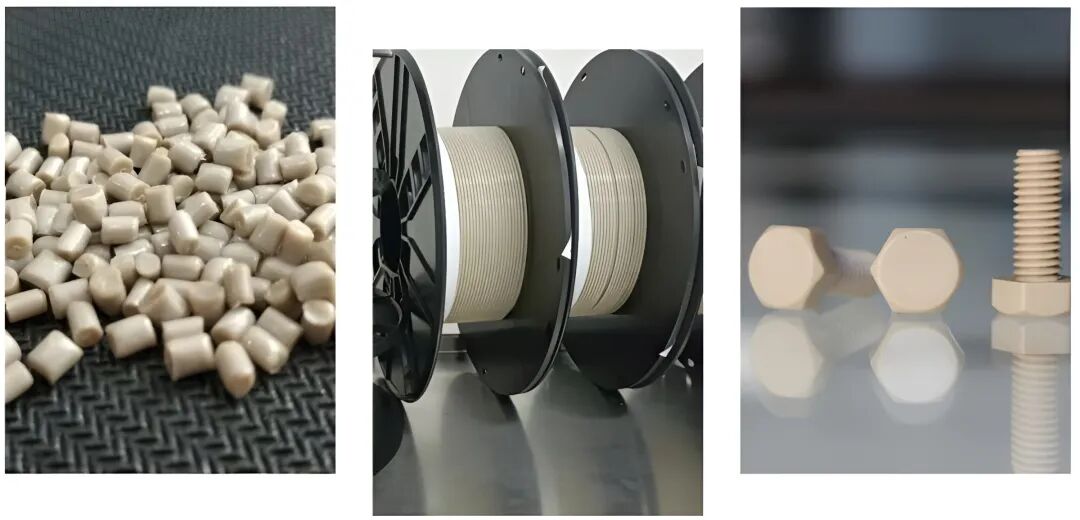
- Full range of polypropylene forms: pellets, sheets, rods, pipes, powders, 3D filaments
- OEM customization for global brands and manufacturers
- Advanced compounding and material engineering
- Consistent quality and scalable production
We do not just supply materials—we help clients engineer the exact feel and performance they need.
If you are sourcing polypropylene and need precise control over texture, flexibility, or performance, contact Dongguan PRES Group Co., Ltd. today. Our team can help you develop customized materials that match your product vision and market expectations.
1. Does polypropylene feel soft or hard?
It can be both. Standard polypropylene is moderately rigid, but it can be engineered to feel softer or more flexible.
2. Is polypropylene comfortable for skin contact?
Yes. It is widely used in medical and hygiene products because it feels smooth, lightweight, and non-irritating.
3. Why does polypropylene feel waxy?
Its non-polar molecular structure creates a low-friction surface, resulting in a smooth, slightly wax-like texture.
4. Does polypropylene feel like plastic?
Yes, but compared to other plastics, it feels lighter, smoother, and less cold.
5. Can polypropylene be made to feel like fabric?
Yes. Nonwoven polypropylene can feel soft and breathable, similar to lightweight fabric.
- PlasticsEurope – Polypropylene Material Properties
https://plasticseurope.org
- MatWeb Material Data Sheet – Polypropylene
https://www.matweb.com
- ScienceDirect – Polypropylene Structure and Properties
https://www.sciencedirect.com
- American Chemistry Council – Polypropylene Overview
https://www.americanchemistry.com
- Industry user insights and manufacturing experience from Dongguan PRES Group Co., Ltd.
Hot Tags: China, Global, OEM, private label, manufacturers, factory, suppliers, manufacturing company


