
Views: 255 Author: Dongguan PRES Publish Time: 2026-07-02 Origin: Site


Content Menu
● Why PEEK Wins in High Pressure
● Design Factors That Change Performance
● Why PRES Is the Right OEM Partner
● CTA
● FAQ
>> 1. Is PEEK better than PTFE for valve rings?
>> 2. Is PTFE ever the better choice?
>> 3. Why does PTFE cold flow?
>> 4. Can filled PTFE solve cold flow problems?
>> 5. Why choose Dongguan PRES Group Co., Ltd.?
When engineers compare PEEK vs. PTFE seals for high-pressure valve rings, the deciding factor is often not sealing ability alone, but cold flow resistance, pressure retention, and service life. As a high-performance plastic OEM partner, Dongguan PRES Group Co., Ltd. helps global brands, wholesalers, and manufacturers select and supply the right engineering plastic solution for demanding fluid-control systems. [plastic-material]

High-pressure valve rings operate under constant stress. In this environment, materials that look similar on paper can behave very differently after weeks, months, or years in service. PTFE is prized for low friction and near-universal chemical resistance, but it can creep under load, especially in high-pressure applications. [kintek-solution]
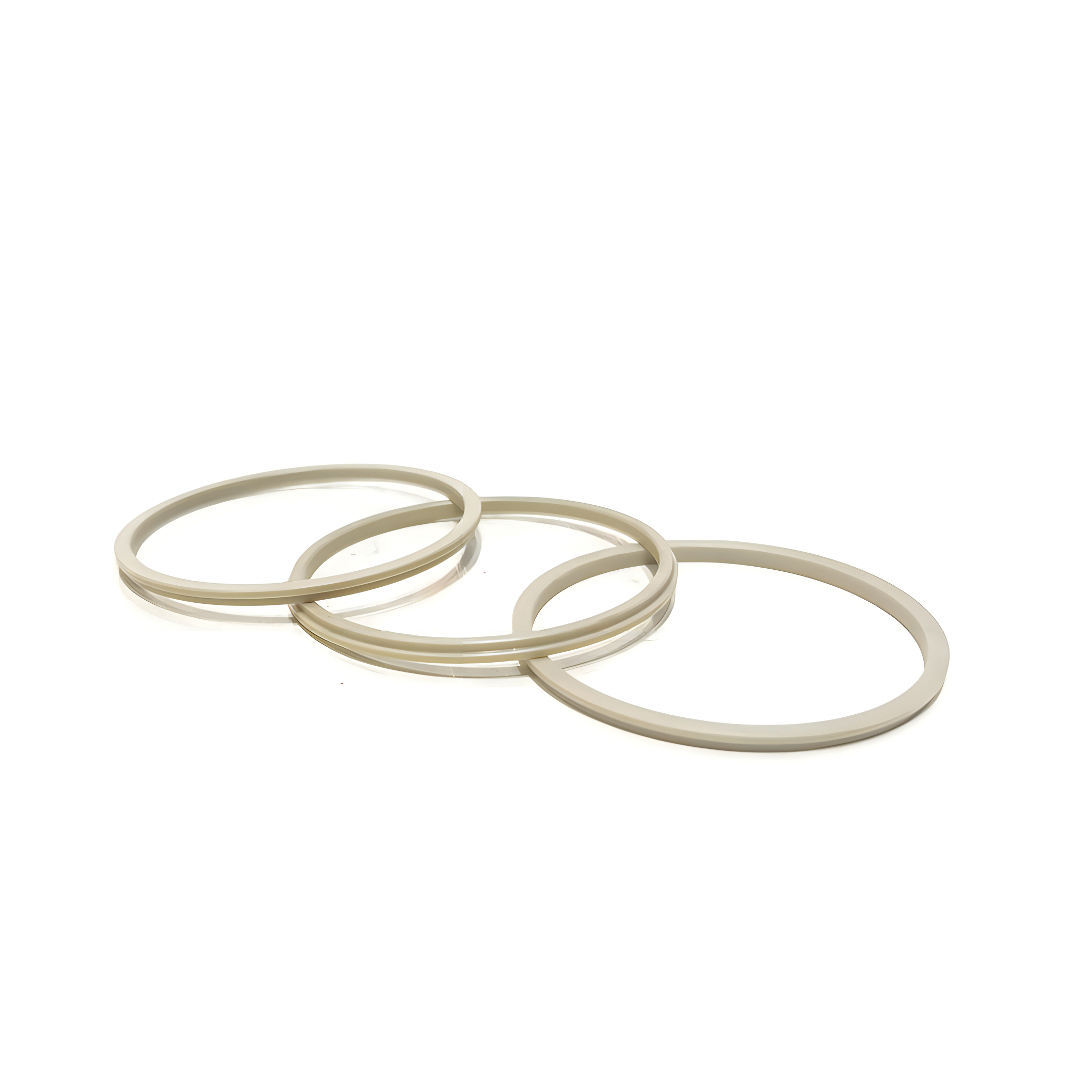
PEEK, by contrast, is known for higher mechanical strength, better resistance to deformation, and stronger long-term load-bearing performance. That is why it is often selected for valve seats, backup rings, and sealing components in systems where pressure spikes and mechanical stress are recurring challenges. [plastic-material]
| Property | PEEK | PTFE |
|---|---|---|
| Cold flow resistance | Excellent | Weak under sustained load |
| Mechanical strength | High | Low |
| Friction | Higher than PTFE | Very low |
| Chemical resistance | Good | Exceptional |
| Best use case | High-pressure, high-load valve rings | Chemically aggressive, low-friction sealing |
PTFE's main weakness in valve rings is its tendency to deform slowly under load, which can reduce sealing force over time. PEEK is usually more dimensionally stable, which helps it maintain seating integrity in pressurized systems. [kintek-solution]
Cold flow is the permanent deformation of a polymer under constant stress, even without high heat. In valve rings, this can lead to loss of preload, leakage, reduced torque consistency, and shorter maintenance intervals. [kintek-solution]
For PTFE, cold flow is the core issue in high-pressure service. Under high media pressure, the material can compress and slowly relax, especially when the sealing geometry is not fully confined. PEEK resists that kind of deformation far better, which makes it more reliable in demanding industrial valve assemblies. [plastic-material]
PEEK's advantage is not just strength. It also keeps its shape better when valves are repeatedly opened and closed under load. That makes it especially useful where seal integrity, extrusion resistance, and dimensional stability are more important than ultra-low friction. [plastic-material]
For high-pressure valve rings, this matters because the ring must preserve contact pressure over time. A material that relaxes too quickly can compromise shutoff performance and increase downtime. PEEK is therefore a practical choice for engineers who need consistent performance in harsh service conditions. [kintek-solution]
PTFE is still the preferred option in many systems. It offers exceptional chemical resistance and very low friction, which can reduce operating torque and improve compatibility with aggressive media. [plastic-material]
In lower-pressure or chemically severe environments, PTFE can be the smarter choice. It is also widely used when smooth operation and broad media compatibility matter more than long-term load retention. In other words, PTFE is not "worse"; it is simply optimized for a different operating profile. [kintek-solution]
Choose PEEK when:
- Pressure is high and sustained.
- Dimensional stability is critical.
- Abrasive media may be present.
- Seal extrusion must be minimized.
Choose PTFE when:
- Chemical resistance is the top priority.
- Low friction is essential.
- Pressure is moderate.
- The system can tolerate some creep or uses a confined design.
This is the practical lens experienced engineers use. The right material depends on the full service environment, not just one property on a datasheet. [plastic-material]
Material choice alone does not determine success. Valve-ring geometry, confinement, surface finish, temperature, and pressure cycling all influence how a seal performs in real use. [kintek-solution]
A fully confined seat can help PTFE perform better, while filled PTFE compounds may reduce cold flow compared with virgin PTFE. However, fillers can also affect chemical resistance, permeability, and wear behavior. PEEK can require tighter tolerances and better surface control, but the payoff is stronger load retention and better long-term stability. [kintek-solution]
Dongguan PRES Group Co., Ltd. is positioned as more than a raw-material supplier. The company provides PEEK pellets, sheets, rods, tubes, powders, and high-performance 3D printing filaments, along with mold design, manufacturing, and injection molding support. [plastic-material]
For overseas brand owners and manufacturers, this matters because valve-ring sourcing often needs more than material data. It requires OEM consistency, application guidance, and production flexibility. PRES supports these needs with a broad product range and B2B-oriented manufacturing services. [plastic-material]
PEEK-based valve rings are commonly favored in:
- High-pressure industrial valves.
- Oil and gas fluid-control systems.
- High-load pumps and compressors.
- Applications involving repeated pressure cycling.
PTFE-based valve rings are commonly favored in:
- Chemical transfer systems.
- Laboratory and pharmaceutical equipment.
- Low-torque valves.
- Environments where broad chemical resistance is essential.
This split is consistent with the engineering trade-off between mechanical stability and chemical inertness. [kintek-solution]
In the valve industry, one of the biggest mistakes is assuming the softest seal is always the best seal. In practice, a seal must survive force, temperature, media exposure, and time. That is why cold flow resistance is such a critical selection criterion for high-pressure rings. [kintek-solution]
A more reliable buying decision comes from comparing the whole operating envelope:
- Pressure level.
- Temperature range.
- Media chemistry.
- Cycling frequency.
- Required service life.
That framework reduces costly redesigns and field failures.
If your project requires high-pressure valve rings, OEM seal components, or custom PEEK and PTFE supply, Dongguan PRES Group Co., Ltd. can support your product development with engineering plastic formats, custom manufacturing, and export-ready service. For technical sourcing, material matching, or OEM inquiries, place PRES at the center of your supplier shortlist. [plastic-material]
Yes, for high-pressure applications PEEK is usually better because it resists cold flow and deformation more effectively. [plastic-material]
Yes, PTFE is often better when chemical resistance and low friction are the main requirements. [kintek-solution]
PTFE is softer and can deform slowly under sustained pressure, especially when the seal is highly loaded. [kintek-solution]
Filled PTFE can improve resistance to deformation, but fillers may reduce chemical compatibility or increase wear on mating parts. [kintek-solution]
Because PRES offers not only high-performance plastic materials, but also OEM support, broad product formats, and manufacturing services for global buyers. [plastic-material]
1. ElringKlinger Engineered Plastics, "Giving Cold Flow the Cold Shoulder."
[PDF] [kintek-solution]
2. Dongguan PRES Group Co., Ltd., "Industry Knowledge."
[Company page] [plastic-material]
3. KINTEK Solution, "How Does Peek Compare To Ptfe For Ball Valve Seats?"
4. XHH Seals, "PTFE vs PEEK Seals: Which Material Is Right for You?"
5. DLSeals, "PEEK valve seat."
Hot Tags: Peek Valve Rings, Ptfe Valve Seals, High Pressure Valve Seals, Cold Flow Resistant Seals, Peek vs Ptfe Seals,China, Global, OEM, private label, manufacturers, factory, suppliers, manufacturing company


