
Views: 220 Author: plastic-material Publish Time: 2025-12-22 Origin: Site


Content Menu
● Understanding Polyamide (PA)
>> Versatility
>> Lightweight
>> Limited High-Temperature Performance
Polyamide (PA), commonly known as nylon, is a versatile thermoplastic material that has become integral in various industries due to its unique properties. This article explores the characteristics, applications, and advantages of PA plastic, providing a comprehensive understanding of this essential material.
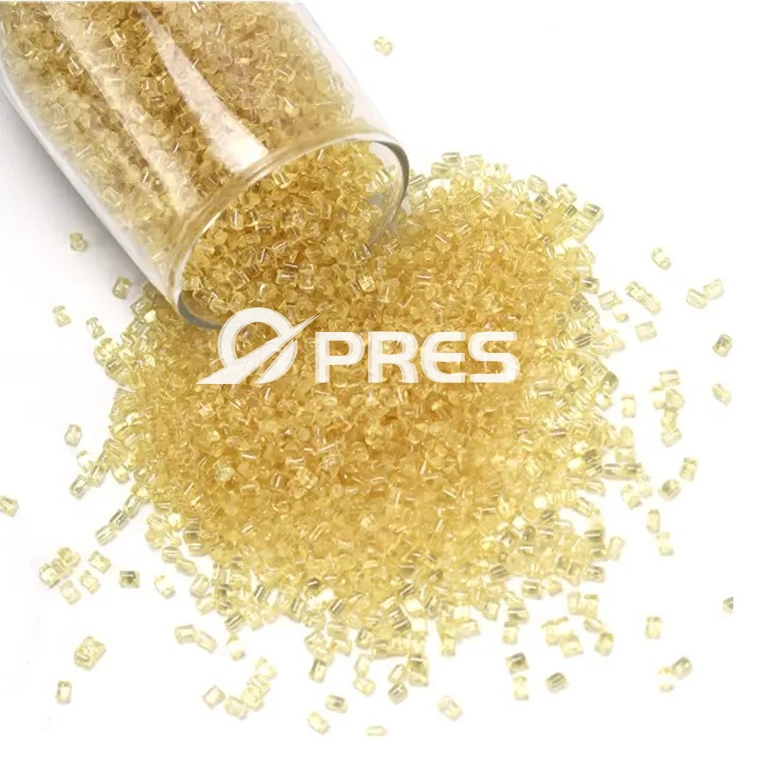
Polyamide is a type of synthetic polymer characterized by the presence of repeating amide groups (-CO-NH-) in its molecular structure. The most common types of polyamides include PA6, PA66, PA11, and PA12, each differing in their molecular composition and properties. PA6 and PA66 are particularly popular in engineering applications due to their excellent mechanical strength and thermal stability.
The chemical structure of polyamide is formed through the polymerization of diamines and dicarboxylic acids or by the ring-opening polymerization of lactams. This structure contributes to the material's strength, flexibility, and resistance to wear and tear.
Polyamide exhibits high tensile strength, making it suitable for applications that require durability and resistance to mechanical stress. Its impact resistance is also noteworthy, allowing it to withstand sudden forces without breaking.
One of the key advantages of PA plastic is its high thermal stability. It can maintain its properties over a wide temperature range, making it ideal for applications in automotive and aerospace industries where temperature fluctuations are common.
PA is resistant to many chemicals, including oils, greases, and solvents. This property makes it suitable for use in environments where exposure to harsh substances is likely.
While PA has many advantages, it is also known for its tendency to absorb moisture. This can lead to dimensional changes and affect its mechanical properties. Therefore, it is essential to consider the environmental conditions when using PA in applications.
In the automotive sector, PA is used for manufacturing various components such as gears, bearings, and fuel lines. Its strength and resistance to chemicals make it an ideal choice for parts that must endure high stress and exposure to fuels and oils.
Polyamide is widely used in the textile industry, particularly in the production of fabrics and fibers. Its durability and flexibility make it suitable for clothing, upholstery, and industrial textiles.
PA is also utilized in the electrical and electronics industries for components like connectors, insulators, and housings. Its insulating properties and resistance to heat make it a reliable choice for these applications.
From kitchen utensils to sporting equipment, PA is found in various consumer products. Its lightweight nature and strength make it a popular choice for items that require durability without adding significant weight.
One of the most significant advantages of PA plastic is its versatility. It can be easily molded into complex shapes, making it suitable for a wide range of applications across different industries.
Compared to metals, PA is much lighter, which is particularly beneficial in applications where weight reduction is crucial, such as in automotive and aerospace components.
While the initial cost of PA may be higher than some other plastics, its durability and long lifespan often make it a more cost-effective option in the long run.
Polyamide can be recycled, which is an essential consideration in today's environmentally conscious market. Recycling PA helps reduce waste and the demand for new raw materials.
As mentioned earlier, PA's tendency to absorb moisture can lead to dimensional instability. This characteristic must be managed carefully in applications where precision is critical.
Polyamide is sensitive to ultraviolet (UV) light, which can degrade its properties over time. To mitigate this, UV stabilizers can be added during the manufacturing process.
While PA has good thermal stability, it may not perform well in extremely high-temperature environments. In such cases, alternative materials may be required.
Polyamide (PA) plastic is a remarkable material that offers a unique combination of strength, flexibility, and resistance to various environmental factors. Its applications span multiple industries, making it a vital component in modern manufacturing and product design. Understanding the properties and potential of PA can help engineers and designers make informed decisions when selecting materials for their projects.
1. What are the different types of polyamide?
- The most common types include PA6, PA66, PA11, and PA12, each with unique properties and applications.
2. Is PA plastic recyclable?
- Yes, polyamide can be recycled, which helps reduce environmental impact.
3. What industries commonly use PA plastic?
- PA is widely used in the automotive, textile, electrical, and consumer goods industries.
4. What are the main advantages of using PA plastic?
- Its versatility, lightweight nature, cost-effectiveness, and recyclability are significant advantages.
5. What are the limitations of PA plastic?
- PA is sensitive to moisture and UV light, which can affect its performance in certain applications.
Hot Tags: China, Global, OEM, private label, manufacturers, factory, suppliers, manufacturing company


