|
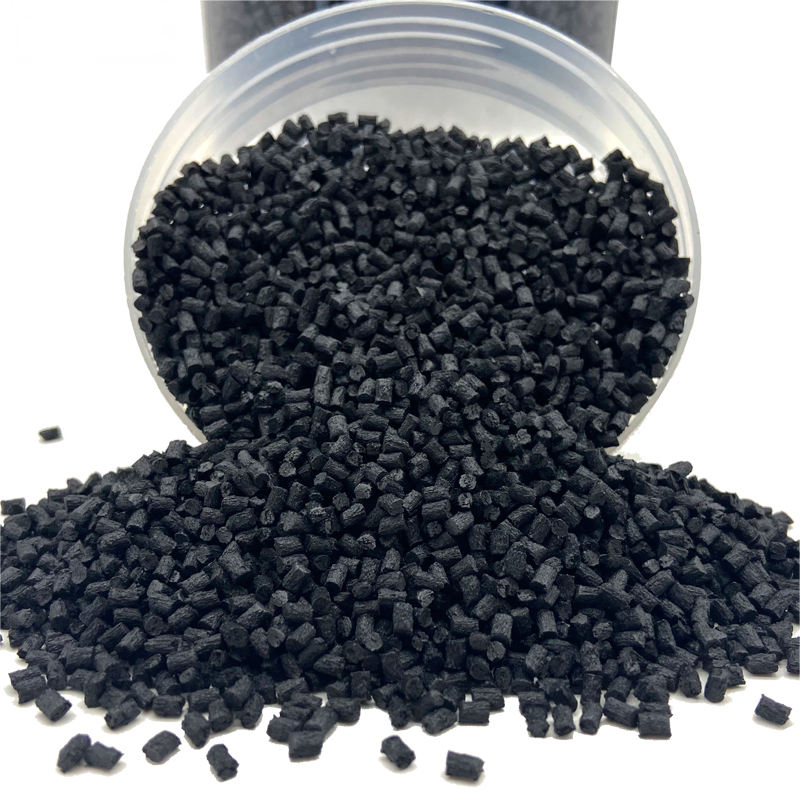
30% Carbon Fiber Reinforced PEEK Pellets 880CA30 Product Description
 |  | High-temperature resistant |
1.Glass transition temperature: 143°C 2.Heat distortion temperature: 315°C 3.Long-term using temperature: 260°C 4.Short-term using temperature: 300°C 5.Melting point: 343°C |

| Light weight and high strength |
1.Carbon fiber significantly improves the tensile modulus of PEEK,up to 22GPa 2.High tensile strength of 250MPa, density of 1.4 g/cm3, can reduce weight and improve structural strength |
| Low friction coefficient -wear resistance |
| Creep resistance |
|PEEK Pellets 880CA30 Application
PEEK Pellets 880CA30 Widely used in key components that require high temperature resistance,high strength, wear resistance, creep resistance, and dimensional stability.It is one of the ideal materials to replace metals.
Typical Applications Include:
●Gears, pinions, planetary gears
●Valve plates, valve seats, check valve components
●Bushings, bearing cages, slide blocks
●Pump & compressor internals
●Semiconductor handling parts
●Aerospace & medical device components
Not sure if 880CA30 fits your part?
We can assist with material selection, mold flow analysis support and sample evaluation.

Typical Case1:Carbon fiber reinforced PEEK gear
✅PEEK 880CA30 is Suitable for manufacturing gears, compared to metal gears, its weight is significantly reduced, making it suitable for high-speed operation and requiring frequent closing or stopping.
✅Secondly, it has lower noise and excellent shock absorption performance
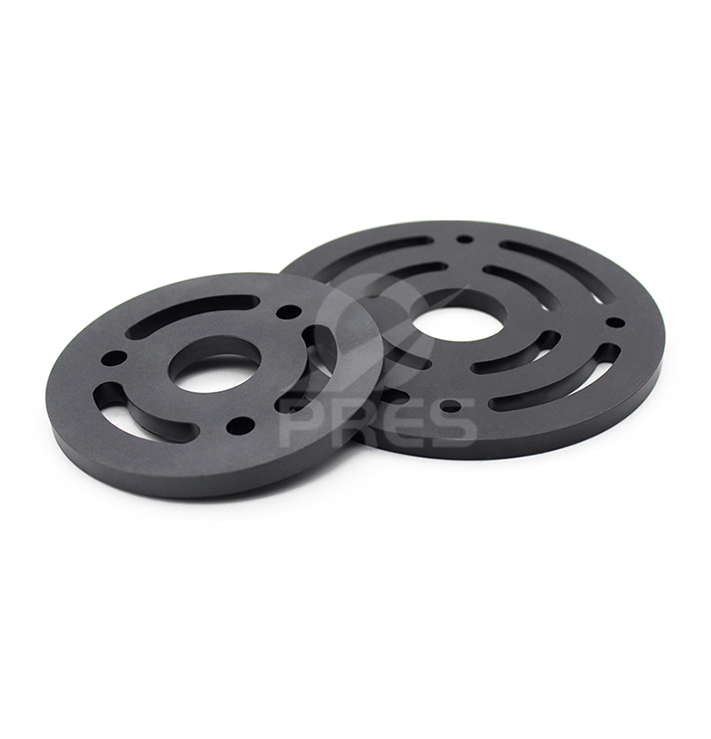
Typical Case2:Carbon fiber reinforced PEEK Valve
✅ Corrosion resistant and medium resistant
Can be exposed to acids, alkalis, solvents, and vapors for a long time, unlike metal valve plates that are prone to corrosion or require surface treatment.
✅ Oil free self-lubricating+low wear
When paired with metal valve cores/bodies, it has low friction, is not easy to bite, and has a long service life, making it suitable for oil free/difficult to lubricate systems.
✅ Lightweight+anti creep
The density is only about 1.4, reducing the load on the valve stem/spring; Carbon fiber makes it less prone to permanent deformation under long-term pressure and provides better sealing reliability.
|Carbon fiber reinforced PEEK pellets
Certifications
|
PEEK 880CA30 Data Sheet
| Test Item | Test Method | Conditions | Units | Test Data |
| Mechanical Data |
| Tensile Strength | ISO 527 | Yield, 23℃ | MPa | 250 |
| Tensile Elongation | ISO 527 | Break, 23℃ | % | 1.6 |
| Flexural Strength | ISO 178 | Yield,23℃ | MPa | 370 |
| Flexural Modulus | ISO 178 | 23℃ | GPa | 22 |
| Compressive Strength | ISO 604 | 23℃ | MPa | 300 |
| Charpy Impact Strength | ISO 179/1eA | Notched | kJ m-2 | 7 |
| ISO 179/1U | Unnotched | kJ m-2 | 45 |
| Mould Shrinkage | ISO 294-4 | Along Flow | % | 0.1 |
| Across Flow | % | 0.5 |
| Thermal Data |
| Melting Point | ISO 11357 | - | ℃ | 343 |
| Glass Transition (Tg) | ISO 11357 | Onset | ℃ | 143 |
| Special Heat Capacity | DSC | 23℃ | kJ kg-1 ℃-1 | 1.8 |
| Coefficient of ThermalExpansion | ISO 11359 | Along flow below Tg | ppm K-1 | 5 |
| Along flow above Tg | ppm K-1 | 6 |
| Heat DeflectionTemperature | ISO 75 | 1.8 Mpa | ℃ | 336 |
| Thermal Conductivity | ISO 22007-4 | 23℃ | W m-1 K-1 | 0.95 |
| Flow |
| Melt Index | ISO 1133 | 380℃,5kg | g/10min | 5 |
| Miscellaneous |
| Density | ISO 1183 | Crystalline | g cm-3 | 1.4 |
| Amorphous | g cm-3 | - |
| Shore D Hardness | ISO 868 | 23℃ |
| 88 |
| Water Absorption(3.2mmthick Tensile Bar)(by immersion) | ISO 62 | 24h, 23℃ | % | 0.04 |
| Equilibrium, 23℃ | % | 0.3 |
|
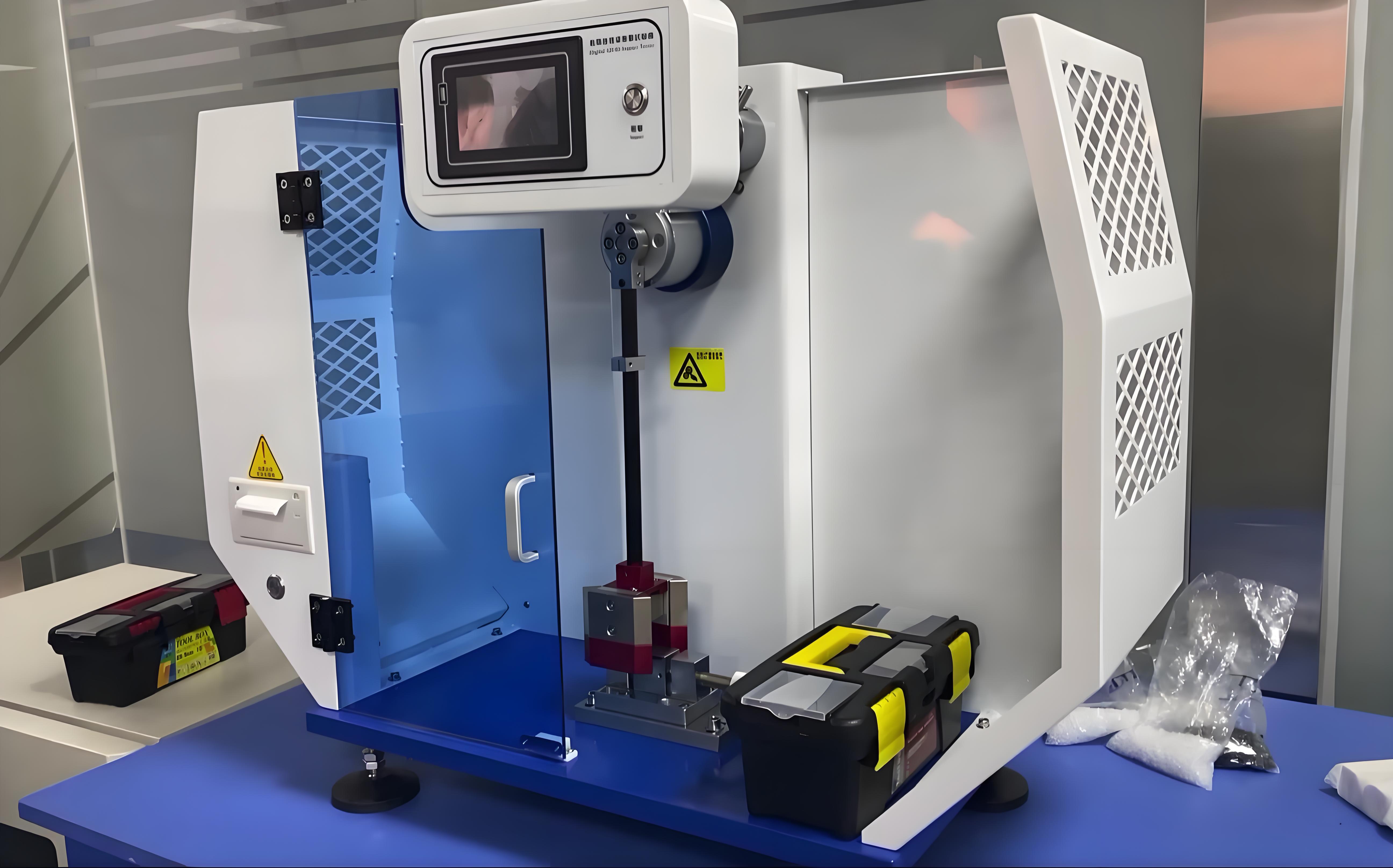
Testing Quality
We will test the performance of PEEK material every batch,test including:
Flow rate
Tensile strength
Bending strength
Fracture elongation, etc