Views: 211 Author: Rio Liang Publish Time: 2026-05-16 Origin: Site


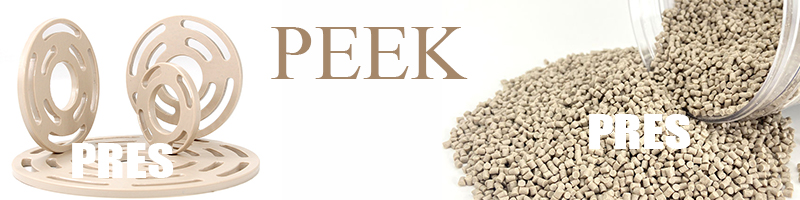
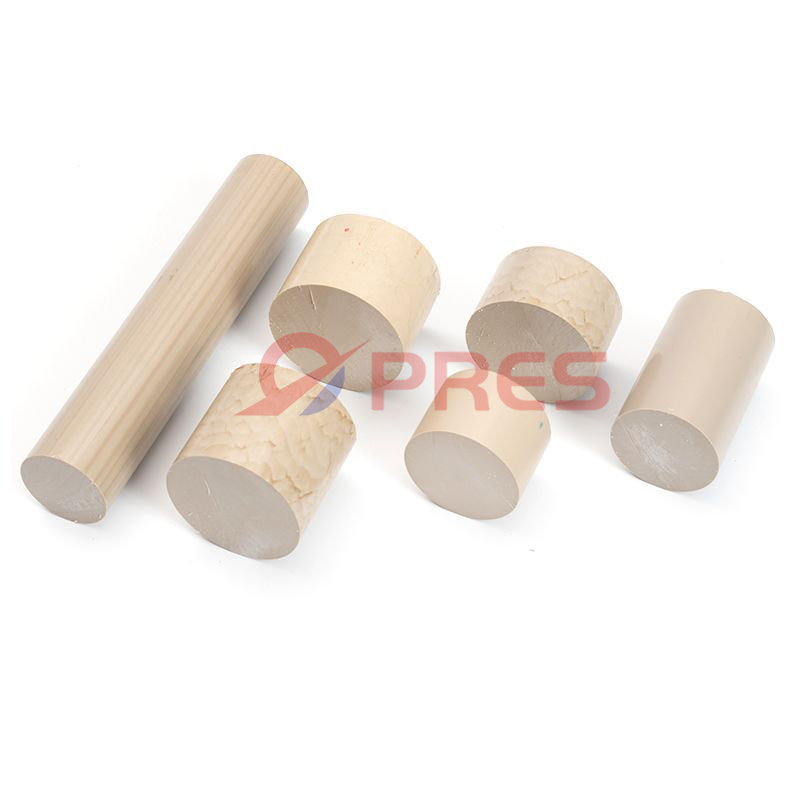
PEEK material is a plastic that can work for a long time under extreme working conditions, and many people may think that the performance of plastic is not good as metal. But PEEK material is a good substitute for metals, it is high strength, which is 8 times stronger than aluminum alloy. And it can maintain stable structure and mechanical properties in high temperature and corrosion-resistant environments for a long time without softening, swelling, hydrolysis or embrittlement. Today we will mainly discuss its temperature resistance and corrosion resistance.
Expert opinion:
“It is often mentioned that PEEK material is 8 times stronger than aluminum alloy, but it should be noted that the strength here refers to a high ratio of strength/density, which means a structure with the same strength, the weight of PEEK material needed is only 1/8 of aluminum alloy”2026-05-18
--Rio Liang|PEEK Manufacturer from China
Content Menu
● High temperature resistance of PEEK material
>> PEEK material has excellent thermal aging performance.
● Chemical resistance of PEEK material
● So,base on it's heat& chenical resiatance,what can PEEK do?
>> Chemical and energy equipment components
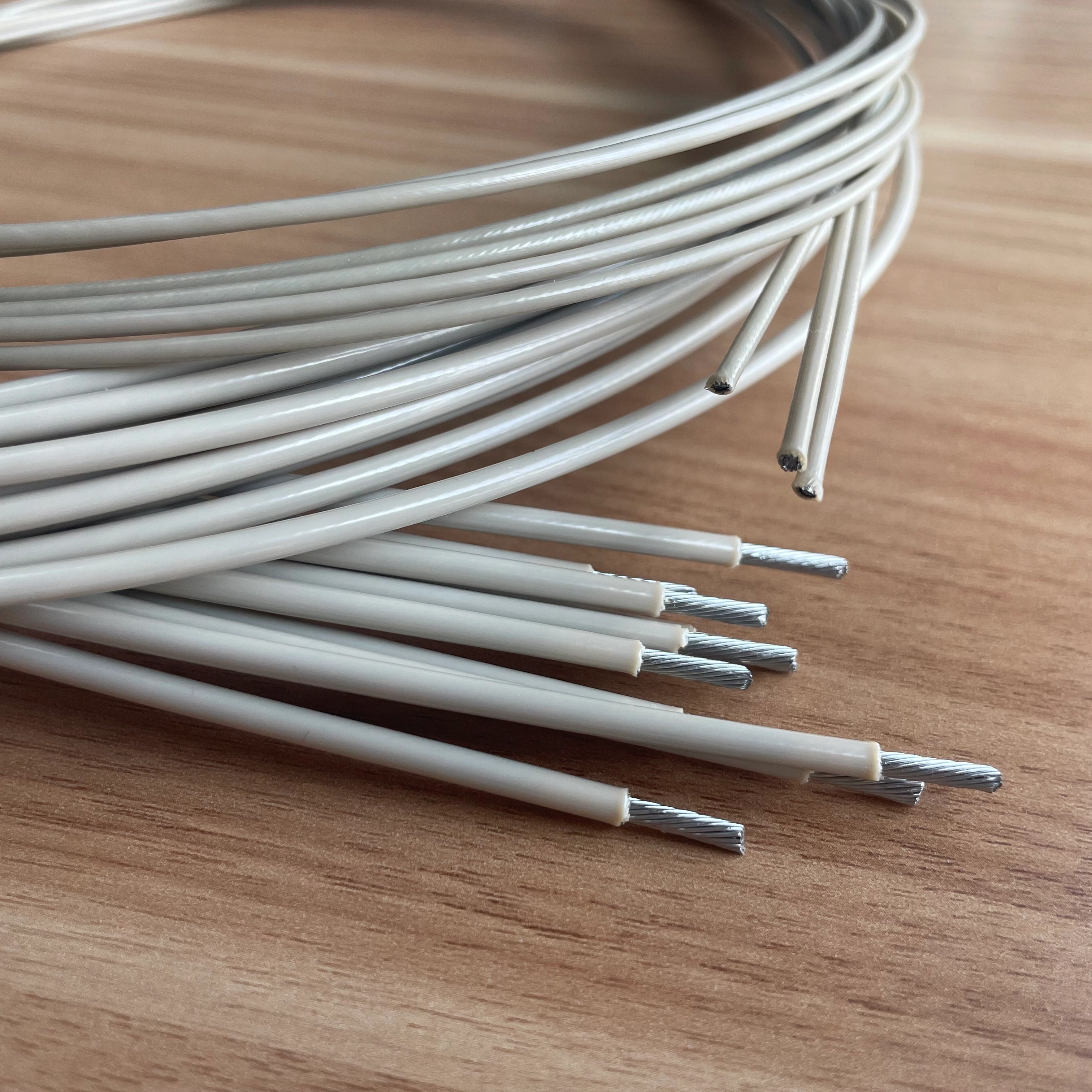
>> High-temperature cable insulation layer
● Statistical results of PEEK material's resistance to chemical substances
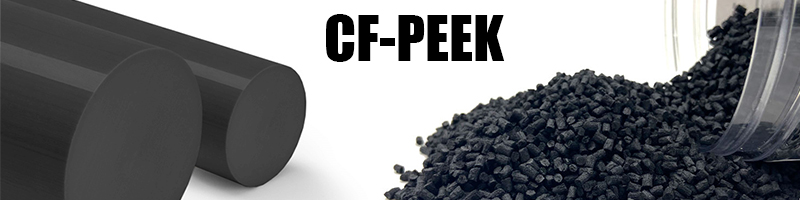
The melting point of PEEK material is very high at 343 ° C, the thermal deformation temperature of PEEK resin is 135-160 ° C, the thermal deformation temperature of 30% glass fiber reinforced PEEK material is 286 ° C, and the thermal deformation temperature ofcarbon fiber reinforced PEEK material is 300 ° C
So, at what temperature does PEEK begin to decompose? We measured using differential thermal analysis that PEEK material experiences a weight loss of 0% at 400 ° C, 2.5% at 500 ° C, and 59% at 600 ° C. Therefore, we can conclude that PEEK begins to decompose near 500 ° C.
According to authoritative literature, glass fiber reinforced PEEK materials can maintain a bending strength of over 50% for more than 5000 hours at a high temperature of 250 ° C. Common materials such as nylon and PBT generally lose most of their bending strength within 500 hours.
Whether it is unreinforced PEEK resin or fiber-reinforced PEEK material, their tensile strength will not significantly decrease when the air temperature reaches 270 ° C for more than 1000 hours. Cables coated with PEEK material have a long service life at high temperatures.
Polyether ether ketone material can tolerate almost any chemical except concentrated sulfuric acid, and its performance remains excellent even at high temperatures.
The following table only shows a little parts of experimental results,check this table for more test result.
| Acetone | Methyl ethyl ketone | Cyclohexane | Toluene | Xylene |
| crack after 20min | little crack after 20min | No change | little crack after 20min | No change |
| concentrated sulfuric acid | Trichloroethylene | Gasoline | Ethanol | Dichloroethane |
| dissolve | No change | No change | No change | No change |
| Description:Test condition:stress is 4*107Pa,temperature is 23°C,time is 20min | ||||
However, when PEEK material is not fully crystallized and immersed in certain chemicals (acetone), stress cracking can also occur. Therefore, it is necessary to anneal PEEK products or adjust the injection molding parameters of PEEK to improve the crystallinity of PEEK injection molded products.
How to improve the crystallinity of PEEK injection molded products? This blog may help you-How To Solve And Prevent The Warping Problem of PEEK injection.
In addition, PEEK material has excellent heat and water resistance and steam resistance. It can be used for a long time in 200 ° C steam or briefly in 300 ° C high-pressure steam. Polyether ether ketone material is soaked in hot water at 80 ° C for more than 800 hours, and its tensile strength and elongation at break do not show significant changes, making it a highly reliable plastic.
Under extreme conditions such as strong acids and strong alkalis, containing sulfur-containing oil and gas, and at temperatures and pressures of 200℃ and above, compared to metals and ordinary rubber, it is less prone to corrosion and cracking, has strong anti-rust ability, can significantly extend the continuous operation period of equipment, and reduces leakage and maintenance costs during shutdowns.
PEEK Very suitable for manufacturing:
Pump valve sealing ring
Compressor valve plate
Insulation ring for oil well logging instrument
Conveying pipeline
PEEK material can maintain insulation even at high temperatures. Its volume resistivity does not show significant changes with the increase in temperature. Moreover, it is not prone to softening or cracking and still retains excellent mechanical properties. It can be lower than most chemical substances, and it will not undergo swelling or degradation, which would lead to a decline in insulation performance. It is a highly reliable, high-temperature resistant and corrosion-resistant insulating plastic.
+:Good resistance O:not resistant -:Limited resistance | |||
| Material | Konz.(%) | Room Temperature | 60°C |
| acetic acid | 100 | + | + |
| ammonium chloride | + | + | |
| apple juice | + | + | |
| bleach | 12,5cl | + | + |
| brake fluid | + | + | |
| calcium chloride | + | + | |
| carbon tetrachloride | + | ||
| chlorobenzene | 100 | + | |
| citric acid | 10 | + | + |
| Cyclohexanone | 100 | + | O/- |
| Diesel fuel | + | + | |
| 1,4-dioxane | 100 | + | |
| ethanol | 96 | + | + |
| edible oil | + | + | |
| formic acid | 10 | + | + |
| Aromatic-free fuel | + | ||
| glycerol | 100 | + | |
| Heat the oil | + | ||
| hydrogen sulfide | + | ||
| hydrochloric acid | Konz. | + | +/O |
| hydrogen peroxide | 10 | + | |
| isopropanol | 100 | + | |
| Mercuric bromide red | O | O/- | |
| Dichloromethane | 100 | + | |
| milk | + | + | |
| nitric acid | 10 | + | + |
| nitrobenzene | + | ||
| Ozone gas | Kl.0,5ppm | + | O |
| vinyl chloride | + | + | |
| petroleum | 100 | + | + |
| phosphoric acid | 50 | + | + |
| isopropanol | + | ||
| silicone oil | + | + | |
| Sodium chloride, containing water | + | + | |
| Sodium hydroxide solution | 15 | + | + |
| Sodium nitrate, containing water | + | + | |
| sulfuric acid | 96 | - | - |
| toluene | 100 | + | |
| trichloroethylene | 100 | + | + |
| water | + | + | |
| acetone | 100 | + | + |
| Amyl alcohol | + | ||
| benzene | + | + | |
| boric acid | 100 | + | O |
| butyl acetate | + | ||
| carbon disulfide | 100 | ||
| chlorine gas | 100 | + | |
| chloroform | + | ||
| cresol | |||
| Cyclohexene | 100 | + | |
| Tin dioxide THF | + | ||
| ethyl acetate | 100 | + | |
| vinyl chloride | 100 | + | |
| Formaldehyde, containing water | 40 | + | + |
| Frost preventative | + | + | |
| High-value fuel | + | ||
| ethylene glycol | 100 | + | + |
| n-heptane | 100 | + | + |
| hydrochloric acid | 10 | + | + |
| hydrofluoric acid | 40 | - | - |
| 2-Hydroxypropionic acid | 90 | + | + |
| linseed oil | + | ||
| methanol | 100 | + | + |
| Methyl ethyl ketone | 100 | + | O |
| Mineral oil (aromatic hydrocarbon-free) | + | ||
| nitric acid | 50 | + | O |
| oxalic acid | + | + | |
| paraffin oil | 100 | + | |
| Petroleum ether (surgical spirit) | 100 | + | + |
| Phenol, containing water | Ca.9 | + | |
| Potassium hydroxide solution | 50 | + | |
| pyridine | + | + | |
| Sodium carbonate, containing water | + | + | |
| Sodium bisulfite | + | + | |
| Sodium hydroxide solution | 60 | + | + |
| sodium thiosulfate | + | + | |
| Tetrahydrofuran | 100 | + | |
| transformer oil | + | + | |
| Standard vinegar | 5-10 | + | + |
| xylene | + | ||
Attetion: These results in the table are compiled based on our current experience and investigations They may be affected by factors such as temperature, operating time, concentration, stress level of related components, and load. In the actual production process, users also need to analyze based on specific situations. | |||